


Choose the Best BP Apparatus for Accurate Monitoring


Omron HEM-8712 AP Blood Pressure Monitor with Memory


Omron HEM-7600T Tubeless Bluetooth BP Monitor – Made in Japan


Omron HEM-7530T Blood Pressure Monitor with ECG, AFib & Bluetooth


Omron HEM-7156 Blood Pressure Monitor with 360° IntelliWrap Cuff


Omron HBP-1320 Professional Blood Pressure Monitor


Omron HBP-9030 Professional Blood Pressure Monitor
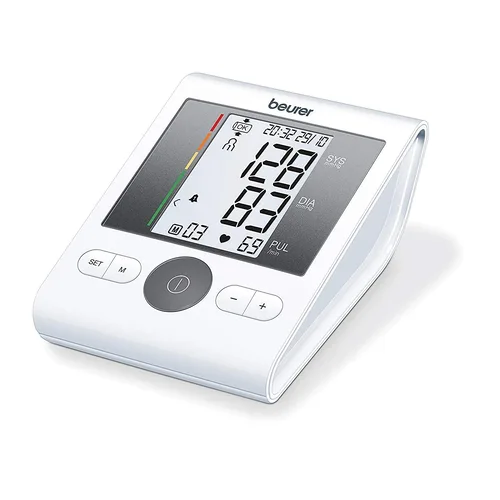

Beurer BM28 Upper Arm Blood Pressure Monitor


Omron HEM-7121J Blood Pressure Monitor with IntelliSense


Beurer BM 96 Blood Pressure Monitor with ECG & Bluetooth


Beurer BM 81 Blood Pressure Monitor with EasyLock & Bluetooth


AccuSure AS Automatic Blood Pressure Monitor


Digital Blood Pressure Machine YE670AR
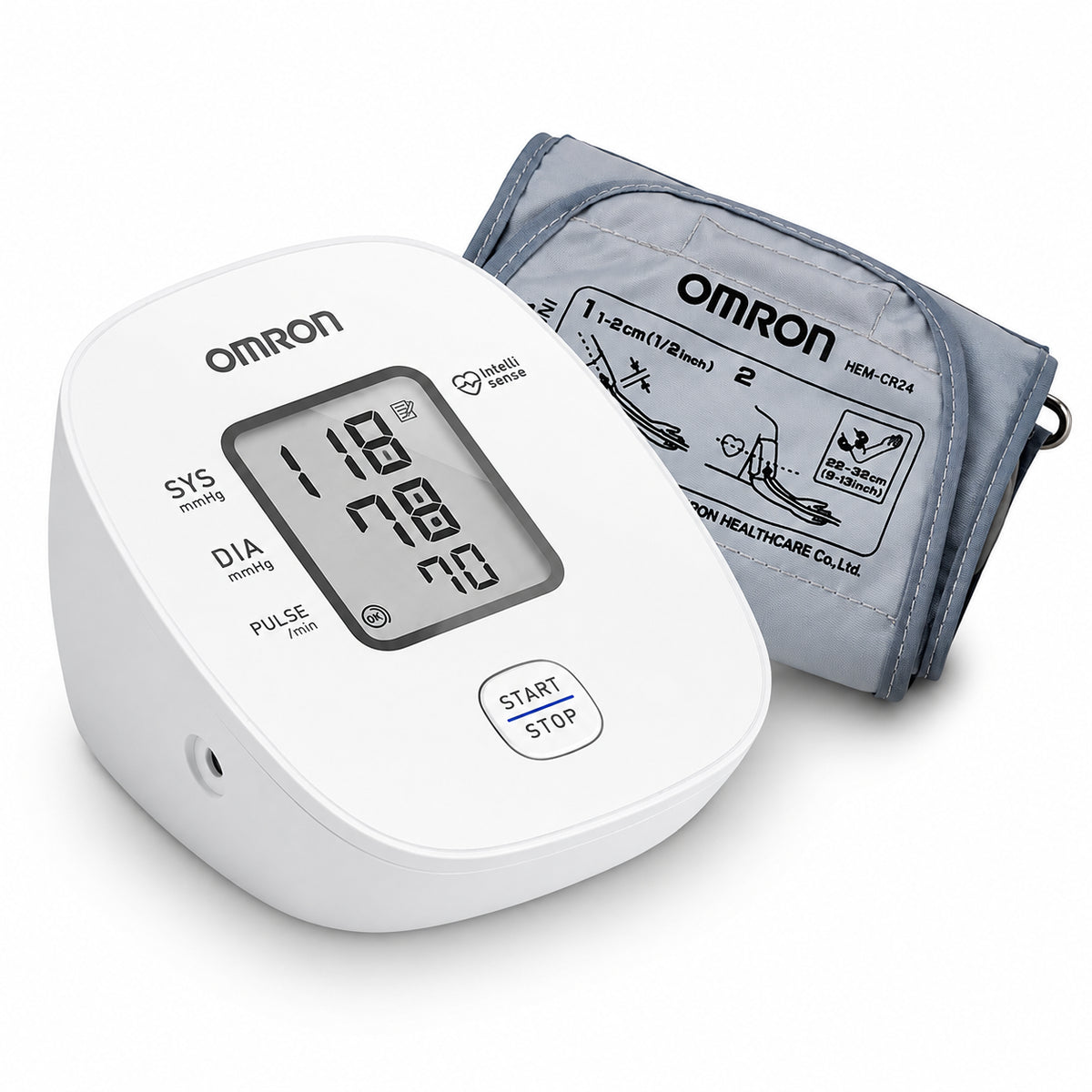

Omron 7121J BP Monitor with Hypertension Indicator | Digital BP Machine

Diamond BPDL250 Dial Deluxe Sphygmomanometer with Field Calibration
How to Choose the Right BP Apparatus: Types, Features, Price, and Care
Choosing the right bp apparatus is less about buying the most expensive device and more about matching it to the person, the setting, and the daily routine. A good unit should be clinically validated, easy to read, fitted with the right cuff, and simple enough to use every time. This guide covers the common types, the features that matter, bp apparatus cost, correct use, and cleaning, so your readings stay as dependable as possible.
What is the BP apparatus called?
People call it a blood pressure monitor, sphygmomanometer, digital bp machine, or bp testing equipment, depending on the model and setting. In daily speech, bp apparatus usually means the complete set: cuff, pressure system, display or gauge, and sometimes a stethoscope.
The device measures the force of blood against artery walls and shows two numbers, systolic over diastolic. A manual bp apparatus needs a trained user who listens through a stethoscope and reads a gauge. For home use, major heart-health organizations favor validated automatic upper-arm models, because they are easier to use correctly and tend to give more dependable readings.

Why the right bp apparatus matters
A bp apparatus is useful only when it produces readings close to your true blood pressure. Inaccurate numbers can cause needless worry, false reassurance, or confusing talks with your doctor. The device matters, yet cuff size, body position, timing, and independent validation matter just as much.
Home monitoring helps people with high blood pressure see whether treatment works. The American Heart Association recommends it for people with high blood pressure, while stressing that it never replaces medical advice or regular professional care.
The main types of bp apparatus
Before comparing features or price, it helps to know the main categories. Each type has strengths and limits, and the right pick depends on whether you will use it at home, in a clinic, on trips, or under professional supervision.
Digital upper-arm bp apparatus
For many households, this is the most practical choice. An inflatable cuff wraps the upper arm, and the unit calculates the reading automatically. Most models show systolic pressure, diastolic pressure, and pulse rate on one screen.
Manual bp apparatus
A manual set usually includes a cuff, a hand bulb, a pressure gauge, and a stethoscope. Professionals have relied on this classic apparatus for decades, and in trained hands it works very well, especially in clinics.
Wrist BP monitor
A wrist model is compact and convenient, but it is far more sensitive to posture. You must hold the wrist at heart level, and a small change in angle can shift the result. That is why it is rarely the first choice when an upper-arm cuff fits comfortably.
Ambulatory blood pressure monitoring apparatus
An ambulatory unit differs from a standard home model. A doctor usually arranges it, and the patient wears it for a longer period, often 24 hours, so it records readings during normal activity and sleep. It gives a broader picture than a single office or home measurement.
Which apparatus measures BP?
The apparatus used to measure BP is a blood pressure device with an inflatable cuff, either manual or digital. For most home users, a validated automatic upper-arm model offers the best mix of ease and reliability when the cuff fits and the technique is right. Manual sets dominate professional settings, while wrist devices remain a secondary option. A complete setup usually includes:
- Cuff: wraps around the upper arm or wrist and inflates to apply pressure.
- Pump or inflation system: a hand bulb on manual sets, automatic inflation on digital ones.
- Sensor or gauge: detects pressure changes and helps calculate or display the reading.
- Display or dial: shows the result on a digital screen or an analog gauge.
- Stethoscope: needed for many manual sets, but not for most digital units.
- Memory or logbook: helps you track readings over time and share them with your doctor.
For a first purchase, prioritize a unit that reduces user error. Validated accuracy and a properly sized cuff beat rarely used features.
Key features to check before buying a bp apparatus

The market offers basic models, app-connected versions, professional equipment, and premium devices with many extras. A high price does not guarantee the best choice. The right bp apparatus gives dependable readings, fits your arm, and supports your routine.
Clinical validation
Validation means experts tested a device against recognized standards instead of simply advertising it as accurate. The American Heart Association advises choosing a validated model and asking a healthcare professional or pharmacist when unsure. ValidateBP is one resource for checking validated devices.
Correct cuff size
Size is among the most important buying factors. A cuff that is too small or too large gives misleading numbers, even on an excellent bp apparatus. Measure around your upper arm and match it to the listed range.
Ease of reading and operation
Large digits, a bright screen, simple buttons, and clear cuff markings make daily use easier. Usability matters even more for users with poor vision, arthritis, limited hand strength, or anxiety around health numbers.
Memory, power, and app features
Memory storage lets you show a record of readings, and some models keep separate profiles for two or more users. Averaging helps because blood pressure naturally changes through the day. Without memory, a notebook or phone note works just as well when kept consistently.
Power matters too. Batteries suit travel, while an adapter suits frequent home use, and many models offer both. Bluetooth and apps make charts easy, yet app-connected bp apparatus models are not more accurate than simpler ones.

Which bp apparatus is better for home use?
For most people measuring at home, a validated automatic upper-arm model beats a wrist, finger, or unvalidated device. It is easier to use than a manual set, and experts generally prefer it for reliability. The better machine is not the most advanced one; it is the one with validation, a proper arm fit, and support for consistent technique. Use this quick comparison:
| Type of bp apparatus | Best for | Main advantage | Main limitation |
|---|---|---|---|
| Digital upper-arm monitor | Most home users | Easy, automatic, commonly recommended | Needs correct cuff size |
| Manual bp apparatus | Trained users and clinics | Professional control and no electronics required | Requires skill and stethoscope use |
| Wrist monitor | Users who cannot use upper-arm cuffs | Compact and easier to wrap for some people | More sensitive to wrist position |
| Ambulatory monitor | Clinician-directed monitoring | Tracks readings over a longer period | Usually arranged through healthcare care |
| Finger monitor | Convenience-focused casual use | Small and portable | Generally not preferred for reliable home monitoring |
When in doubt, ask a clinician or pharmacist to review the model you are considering. After buying, take the device to an appointment so a professional can compare your technique and results with office equipment, as the American Heart Association recommends.
How to choose the best bp apparatus for your needs
The phrase best bp apparatus can mislead, because no single device suits everyone. A young adult, an older parent, a pregnant person, a child, a clinic, and a multi-user household all need different things. Use this practical five-step process instead.
Step 1: Decide where you will use the device
For home tracking, pick a unit simple enough for daily or weekly use. A clinic or workplace health station needs durability, a cleaning workflow, several cuff sizes, and trained staff. For travel, portability and battery life matter most.
Step 2: Measure arm circumference
Measure the midpoint of the upper arm, then compare it with the range listed for the device. Do not rely on labels such as standard or large, because sizing varies by brand.
Step 3: Check validation status
Look for evidence that testers validated the specific model, not only the brand. Brands often sell both validated and non-validated versions, so model numbers matter. The U.S. Blood Pressure Validated Device Listing helps patients find such devices. Outside the United States, the British and Irish Hypertension Society also lists validated devices.
Step 4: Match features to the user
A feature is valuable only when it improves use. Consider these user-specific needs:
- Older adults: a large screen, simple buttons, a comfortable cuff, and memory storage.
- Caregivers: multi-user profiles, date and time stamps, and easy data sharing.
- Frequent travelers: battery power, compact size, and a sturdy case.
- Larger arms: confirm the cuff range before purchase and check compatible cuffs.
- Anxious users: quiet inflation, a comfortable cuff, and easy repeat logging.
- Clinics: multiple cuff sizes, cleaning compatibility, and durability.
Step 5: Avoid overpaying for unused extras
 Omron HEM-7121J Blood Pressure MonitorRs. 2,000View product
 AccuSure AS Automatic Blood Pressure MonitorRs. 1,275View product
 Beurer BM28 Upper Arm Blood Pressure MonitorRs. 1,839View product
 Rossmax CH155f Automatic Upper Arm BP MonitorRs. 1,919View product
 Omron HEM-7600T Tubeless Bluetooth BP MonitorRs. 8,270View product
 Diamond BPDL250 Dial Deluxe SphygmomanometerRs. 1,100View product
 AccuSure TS Smart Inflation BP MachineRs. 1,379View product
 Beurer BM 81 Blood Pressure Monitor with EasyLock & BluetoothRs. 7,359View product
 Digital Blood Pressure Machine YE670ARRs. 3,499View product
 Diamond BPMR150 Mercury SphygmomanometerRs. 6,678View product
For more options, view the Meddey blood pressure monitors collection. Ask a healthcare professional which type suits you.
Understanding bp apparatus cost and price
The bp apparatus cost depends on the device type, brand, cuff options, display, memory, connectivity, and whether it is made for home or professional use. A basic digital model costs less than a multi-user, app-connected premium one. A manual set may look cheap, yet it also needs a stethoscope and a trained user.
When people search for bp apparatus price or omron bp apparatus price, they are really comparing value. A brand is a fair starting point, but validation, cuff fit, warranty, and ease of use matter more than the logo. Prices also change by retailer, taxes, promotions, and included accessories, so never judge from one listing.
What affects the cost of bp apparatus?
- Device type: digital upper-arm, wrist, manual, and professional units cost different amounts.
- Validation and quality: documented validation adds value over generic models.
- Cuff range: wide-range or extra cuffs change the total.
- Memory and display: multi-user storage, backlighting, and voice prompts add cost.
- Connectivity: Bluetooth or app support often raises the price.
- Accessories and support: adapters, cases, warranty, and replacement cuffs affect long-term value.
How to use a bp apparatus correctly
Even a top-quality bp apparatus gives poor readings when used incorrectly. Talking, crossing legs, measuring over clothing, or holding the arm too low can all change the number. The CDC and the American Heart Association agree on the basics: a supported back, feet flat on the floor, a bare arm, and the arm supported at heart level. Use this routine for steady home readings:
- Prepare first: sit quietly before measuring, and avoid testing right after activity.
- Use the same arm: unless instructed otherwise, since consistency makes your log easier to read.
- Use bare skin: place the cuff on it, never over clothing or a tight sleeve.
- Support your posture: keep your back supported and feet flat on the floor.
- Support the arm: rest it so the cuff sits around heart level.
- Stay still and silent: talking or moving changes the result.
- Record the reading: note the date, time, both numbers, pulse, and any unusual circumstances.
If home readings differ from office readings, do not assume the machine is wrong. Technique, cuff size, timing, anxiety, medicine timing, and normal daily variation all play a part. Bring your bp apparatus to a healthcare visit and ask for a side-by-side technique check. Also follow your clinician’s schedule for how often to measure and when to report results.
Common mistakes when choosing a bp apparatus
Many people buy quickly after a high clinic reading or a family recommendation. A rushed purchase can bring an uncomfortable cuff, confusing features, or a poor match for the user. Avoid these mistakes:
- Choosing by price alone: the cheapest model is not always the best value if the cuff does not fit or validation is unclear.
- Ignoring cuff fit: a good BP monitor with the wrong cuff still gives unreliable readings, so measure first and buy second.
- Buying a wrist model for convenience only: wrist units are easy to carry, yet they need validation and careful positioning.
- Assuming every digital device is accurate: digital and automatic describe how a device works, not whether testers validated it.
- Forgetting who will use it: limited mobility, poor vision, large arms, or trouble with apps should shape the choice.
How to clean a bp apparatus safely
Knowing how to clean bp apparatus parts matters most when several people share one unit. Cleaning removes sweat, skin oils, and dust, and it keeps the cuff pleasant to wear. Always start with the maker’s instructions, because materials vary: some cuffs are wipe-clean only, while others have removable covers. Never soak the unit, submerge the cuff, spray liquid into the device, or use harsh chemicals unless the manual allows it.
- Switch off and unplug: do this before any cleaning.
- Wipe the body: use a soft, slightly damp cloth.
- Clean the cuff surface: follow the manufacturer’s guidance.
- Limit moisture: keep it away from tubing, connectors, ports, and the display.
- Dry fully: let every part dry before storing or reusing.
- Store loosely: so the tubing does not kink or crush.
- Avoid sharing during illness: unless you follow cleaning guidance carefully.
Clinics need stricter routines under facility infection-control policies. At home, gentle wiping and careful storage usually keep a bp apparatus in good condition.

Manual vs digital bp apparatus in real life
The choice depends on skill, setting, and purpose. A manual set gives a trained user more control, but it leaves more room for error when the user lacks practice. A digital set removes the need for listening and gauge-reading skills, though it still depends on correct cuff placement and body position.
Even a digital machine does not remove the need for good habits. You still need to sit correctly, use the right cuff, and record results usefully. The machine helps, but technique completes the measurement.
Which is the best bp apparatus for most people?
For most home users, the best choice is a validated automatic upper-arm model with a cuff that fits. It should be easy to operate, easy to read, and simple to carry to appointments. If the user is pregnant, a child, a senior, or has special medical circumstances, choose a device validated for that group and ask a healthcare professional for guidance. A good shortlist passes these basics:
- The model has clinical validation or appears on a trusted validated-device listing.
- Its size range matches the measured arm circumference.
- The display and buttons feel comfortable for the user.
- Readings can be stored or recorded in a manageable way.
- You can take it to appointments for technique checks.
A practical bp apparatus buyer’s checklist
Before you buy
- Measure the user’s upper-arm circumference.
- Decide whether one person or several will use it.
- Choose upper-arm digital unless there is a good reason not to.
- Check whether testers validated the specific model.
- Confirm the size range and replacement parts.
- Review display size, button layout, and memory features.
- Compare the total cost, including batteries, adapter, and shipping.
- Read the cleaning and storage instructions.
- Make sure the return policy allows an exchange if the cuff does not fit.
After you buy
- Read the manual before first use.
- Set the date and time if the unit stores readings.
- Practice placement while relaxed, not during a stressful moment.
- Take it to a healthcare appointment for a technique check.
- Keep a written or digital log.
- Clean and store it properly.
- Replace damaged cuffs, cracked tubing, or malfunctioning parts.
A bp apparatus is not just a gadget; it becomes part of a health routine. Buying carefully at the start makes that routine easier to keep.
Frequently Asked Questions
1. What is a bp apparatus?
A bp apparatus is a device that measures blood pressure. It usually includes a cuff, a pressure system, and a display or gauge. People also call it a blood pressure monitor or sphygmomanometer.
2. What is the BP apparatus called?
People commonly call it a blood pressure monitor, blood pressure apparatus, sphygmomanometer, or digital bp machine, depending on the model and setting.
3. Which apparatus measures BP?
A blood pressure apparatus with an inflatable cuff, either manual or digital, measures BP. For most home users, a validated automatic upper-arm bp apparatus is the most practical option.
4. Which bp apparatus is best for home use?
A validated automatic upper-arm monitor with a cuff that fits your arm suits most home users. It is easy to read and simple to bring to appointments.
5. What is the difference between a manual and a digital bp apparatus?
A manual bp apparatus needs a trained user to listen through a stethoscope and read a gauge. A digital bp apparatus inflates the cuff and shows the reading automatically, so it suits most home users.
6. Are wrist BP monitors accurate?
Wrist monitors are more sensitive to position because you must hold the wrist at heart level. Most guidance prefers upper-arm monitors, so consider a wrist model only when an upper-arm cuff does not fit.
7. How do I choose the right cuff size?
Measure the midpoint of your upper arm and compare it with the cuff range listed for the device. Do not rely only on labels such as standard or large.
8. How much does a bp apparatus cost?
Cost depends on the type, brand, cuff options, memory, connectivity, and accessories. Compare exact model numbers, and look at validation, cuff fit, and warranty instead of price alone.
9. How do I clean a bp apparatus?
Follow the manufacturer’s instructions first. Wipe the monitor body with a soft, slightly damp cloth, clean the cuff surface as directed, avoid excess moisture near the tubing and display, and let everything dry fully before storing.
10. Should I take my bp apparatus to a doctor’s appointment?
Yes. Bring a new monitor to an appointment so a professional can check your technique and compare your readings with office equipment.