


Brain Stroke


Aluminium Walker With Wheels


Vissco Commode Riser | Raised Toilet Seat for Comfort


Premium Rollator Walker


Karma Commode chair Rainbow 2
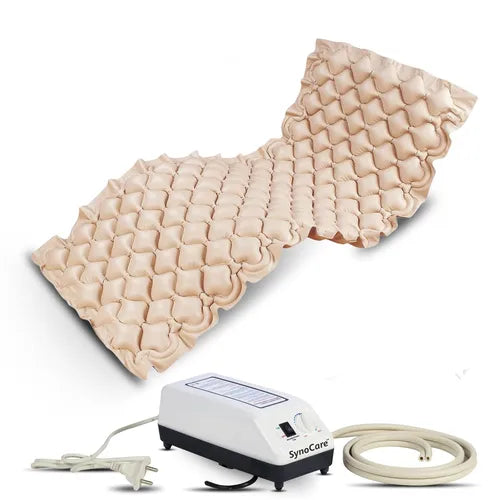

Anti Bedsore Bubble Air Mattress Portable - ROHS Compliant


ACTION 2NG Invacare Wheelchair For Safe Comfortable Mobility for SCI Patients
A Medical Emergency Where Minutes Matter
Brain stroke is a medical emergency. It happens when blood flow to part of the brain is blocked or a vessel bursts. Brain cells start to die within minutes, so fast action matters. If you see a drooping face, a weak arm or slurred speech, call emergency services at once.
This guide explains the warning signs, the causes and the main risk factors in plain words. It also covers how recovery works and how a family can support a loved one at home. It does not replace a doctor's care.
What is a brain stroke?
A brain stroke happens when the brain stops getting the blood it needs. Blood carries oxygen and food to every part of the brain. Without it, brain cells begin to die.
The brain controls movement, speech, vision, memory and balance. So a brain stroke can affect any of these, depending on which area is hurt. The signs often come on suddenly.
A brain stroke is sometimes called a paralysis attack in everyday speech. It is an emergency, and it needs hospital care straight away. It is not something to wait out at home.
What are the two main types of stroke?
There are two main types of brain stroke. The first is caused by a blocked blood vessel. The second is caused by a bleeding blood vessel.

-
Blocked blood vessel: a clot or narrowing cuts off blood flow to part of the brain. This is the more common type.
-
Bleeding blood vessel: a weak vessel in the brain bursts and bleeds into or around the brain.
The signs of both types can look very similar. Only a hospital scan can tell which type a person has. Treatment depends on this, so never guess at home.
What are the early warning signs of a brain stroke?
The signs of a brain stroke usually appear suddenly. One minute the person may look fine, and the next they may look unwell. Watch for the signs below.
-
A drooping face or a lopsided smile.
-
Weakness or numbness in one arm or leg, often on one side.
-
Slurred speech or trouble finding words.
-
Trouble understanding what others say.
-
Sudden confusion.
-
Trouble seeing in one or both eyes.
-
A sudden, severe headache.
-
Dizziness or loss of balance.
Do not wait to see if the signs pass. A brain stroke is an emergency even when the signs seem mild. Call for help straight away.
What does the FAST check mean?
FAST is an easy way to remember the main signs. Each letter stands for one step. Anyone in the family can learn it in a minute.

-
Face: Ask the person to smile. Does one side of the face droop?
-
Arms: Ask them to raise both arms. Does one arm drift down or feel weak?
-
Speech: Ask them to repeat a simple sentence. Is the speech slurred or strange?
-
Time: If you see any of these signs, call emergency services at once.
The T in FAST is the most important step. It reminds you that every minute counts. Do not drive the person yourself if an ambulance can reach you.
What should I do if someone shows these symptoms?
Act fast and stay calm. Call your local emergency number at once. In India, you can dial 112, and many states also use 108 for ambulances.

While you wait, help the person sit or lie in a comfortable position. Keep them calm and loosen tight clothing. Stay with them and watch their breathing.
-
Note the time when the signs started, and tell the doctors.
-
Do not give food, drink or medicine. The person may have trouble swallowing.
-
Do not let the person sleep it off or walk around.
-
Keep a list of their medicines ready for the medical team.
-
Share their health history, such as high blood pressure or diabetes.
Hospital staff will do a scan and decide on treatment. Leave the medical decisions to them.
What is a mini stroke or TIA?
A mini stroke is also called a transient ischaemic attack, or TIA. It happens when blood flow to the brain is blocked for a short time. The signs appear and then pass, often within a short time.
A TIA is still an emergency. It is a warning that a larger brain stroke may follow. Even if the signs vanish, the person needs urgent medical care.
Do not ignore a short episode of weakness, slurred speech or blurred vision. Call for help and go to a hospital without delay. A doctor can check the cause and plan ways to lower the risk.
What causes a brain stroke?
A brain stroke happens when the blood supply to the brain is blocked or a vessel bleeds. The root cause often builds up over many years. It is usually linked to the health of the blood vessels and the heart.
Fatty deposits can narrow the arteries and block a vessel. A clot formed in the heart or another artery can also travel to the brain. A bleeding stroke often happens when a weak vessel bursts under high pressure.
High blood pressure is one of the main causes. It damages vessels over time and makes them more likely to block or burst. That is why regular blood pressure checks are so valuable.
Who is at higher risk of a brain stroke?
Anyone can have a brain stroke, but some factors raise the risk. Many of them can be managed with medical help and healthy habits. Others, such as age, cannot be changed.
-
High blood pressure.
-
Diabetes.
-
Smoking or using tobacco.
-
High cholesterol.
-
An uneven heartbeat.
-
Being overweight or obese.
-
Heavy alcohol use.
-
Older age.
-
A family history of stroke.
Having one or more factors does not mean a brain stroke will happen. But it is a good reason to see a doctor for regular checks. Ask which risks apply to you.
Is a paralysis attack the same as a stroke?
In many homes, a paralysis attack is the common name for a brain stroke. People use it because weakness or loss of movement on one side of the body is a typical sign. The medical term is stroke.
But not every paralysis comes from a stroke. Other conditions can also cause weakness. A doctor must find the cause.
Sudden weakness on one side of the body needs emergency care. Do not try home remedies or wait for it to pass. Go to the hospital straight away.
Can a stroke affect young people and women?
Yes. A brain stroke is more common with age, but younger adults can also have one. Women can have the same signs as men. They may also report less typical signs, such as sudden hiccups, nausea or fatigue.
Because these signs can look like other problems, they are sometimes missed. Do not dismiss a sudden, unusual change. If something feels wrong and the FAST signs are present, call for help.
Blood pressure, diabetes, smoking and a family history matter at any age. Everyone should know their numbers and see a doctor for regular check-ups.
How can a stroke affect the body and mind?
The effects depend on which part of the brain is hurt and how severe the damage is. Some people have mild changes. Others have major changes in daily life.
-
Weakness or paralysis on one side of the body.
-
Problems with speech, reading or understanding.
-
Trouble swallowing.
-
Changes in vision.
-
Problems with balance and walking.
-
Memory and thinking difficulties.
-
Tiredness.
-
Changes in mood, such as sadness or irritability.
Not everyone has all these effects. The care team will assess each person. The plan is built around the person's own needs.
What does brain stroke recovery involve?
Recovery from a brain stroke varies greatly from person to person. It depends on the type, the area of the brain involved and the person's overall health. The care team sets goals and a plan with the patient and the family.

Rehabilitation can include movement therapy, speech therapy, swallowing support and thinking exercises. Each is guided by trained professionals. Family members should follow the therapist's advice and not invent their own exercises.
No one can promise a full recovery. Progress can be slow and uneven. Patience, rest and encouragement all help.
Who helps with recovery after a stroke?
Brain stroke care is usually a team effort. Each professional looks after a different part of recovery. Knowing their roles helps families ask the right questions.
| Professional | What they help with |
|---|---|
| Doctor | Diagnosis, medicines and the overall plan |
| Nurse | Daily care, safety and monitoring |
| Physiotherapist | Movement, strength and balance |
| Speech therapist | Speech, understanding and swallowing |
| Occupational therapist | Daily tasks such as dressing and eating |
| Dietitian | Safe, balanced food and drink |
How can families support a brain stroke survivor at home?
Support at home works best when it follows the care team's plan. Ask the therapists to show you how to help safely. Do not try new exercises on your own.

-
Keep the home safe, with clear floors and good lighting.
-
Use non-slip mats in the bathroom, and keep a stable chair nearby.
-
Encourage the person to do what they can for themselves.
-
Speak slowly and clearly, and give time to answer.
-
Keep a medicine list, and give medicines as prescribed.
-
Keep follow-up visits and therapy appointments.
-
Watch for new signs, and call for help when needed.
Mobility aids and bedside care aids can help when a doctor or therapist suggests them. These may include walkers, wheelchairs, commode chairs and pressure-relieving mattresses. Ask the care team which aids suit the person.


Looking after yourself as a carer
Caring for someone after a brain stroke is hard work. Carers often feel tired, worried or alone. You need support too.
Share the tasks among family members. Take short breaks, and accept offers of help. Eat well and rest when you can.
Talk to the care team if you feel overwhelmed. Many hospitals and groups offer advice for carers. A rested, supported carer gives better care.
Trouble with speech and swallowing after a stroke
A brain stroke can affect the muscles used for speech and swallowing. Words may come out slurred, or the person may struggle to find the right word. Swallowing can become unsafe.
A speech therapist can check both and give advice. Follow their guidance on food and drink textures. Never force food or drink on a person who coughs or chokes.
Be patient during conversations. Give time, use simple questions and let the person respond in their own way. Gestures, pictures and writing can all help.
Emotions and mood during recovery
Many people feel low, anxious or frustrated after a brain stroke. They may cry easily or feel angry. These changes can come from the brain injury itself and from the stress of loss.
Talk with the person and listen. Do not dismiss their feelings. Encourage them to take part in family life.
If sadness is deep or lasts long, tell the doctor. Support is available, and mood care is a part of recovery. A person who feels understood is more likely to join in rehabilitation.
Can a brain stroke be prevented?
Many cases of brain stroke can be prevented or made less likely. The best steps are simple. They focus on blood pressure, lifestyle and regular check-ups.

-
Check blood pressure regularly.
-
Do not use tobacco.
-
Be active on most days.
-
Eat a balanced diet with plenty of vegetables and fruit.
-
Cut back on salt.
-
Limit alcohol.
-
Manage diabetes and cholesterol with your doctor.
-
Never stop prescribed medicine on your own.
No product or supplement can promise to prevent a brain stroke. Healthy habits and medical care are the proven path. Ask your doctor to assess your own risk.
Blood pressure and brain stroke risk
High blood pressure often has no signs. A person can feel well and still have high readings. Over time, it strains the vessels in the brain.
Have your blood pressure checked regularly, even if you feel fine. A doctor can tell you how often. Keep a record of your readings and take it to every visit.
If your doctor prescribes medicine, take it as directed. Do not stop when the numbers look normal. Lowering salt and keeping a healthy weight also help.
Food, weight and activity for prevention
A healthy lifestyle protects the vessels of the heart and the brain. You do not need a strict plan. Small, steady changes work well.
Fill half your plate with vegetables and fruit. Choose whole grains, pulses and lean proteins. Use less salt, sugar and fried food.
Walk or move most days, in a way your doctor approves. Keep a healthy weight. These habits also help with diabetes and cholesterol.
Myths about brain stroke
Myths cause dangerous delays. Here are some common ones, with simple facts.
-
Myth: A brain stroke only happens to the old. Fact: It is more common with age, but younger adults can also be affected.
-
Myth: If the signs pass, there is no danger. Fact: A mini stroke is a warning and needs urgent care.
-
Myth: Home remedies can help. Fact: Only hospital care helps in a stroke emergency.
-
Myth: Give the person water to calm them. Fact: Never give food or drink, as swallowing may be unsafe.
-
Myth: Let the person sleep it off. Fact: Call for help at once.
How do doctors check for a brain stroke?
When a person arrives with signs of a brain stroke, the team works quickly. They check breathing, heartbeat and blood pressure first. They ask what happened and when the signs began.
A scan of the brain is the key test. It shows whether a vessel is blocked or bleeding. Blood tests and a heart check may follow, because the heart is often involved.
This is why the time of the first signs is so useful. Tell the team everything you know. The scan result decides the next steps, and only the doctors can choose the treatment.
What a hospital scan can show
A scan takes pictures of the inside of the head. It shows the brain, its blood vessels and any damage. Two common types are a CT scan and an MRI scan.
The scan helps doctors tell a blocked vessel from a bleeding one. This matters because the care for each is very different. The scan also shows which area of the brain is affected.
Scans are painless. The person lies still for a short time. If the person is confused or restless, the staff will help keep them safe and calm.
Other conditions that can look like a brain stroke
Some conditions can cause sudden weakness, confusion or speech trouble. Very low blood sugar, a seizure, a migraine or an infection can sometimes look similar. A doctor can tell them apart.
Never assume the cause at home. Treat sudden FAST signs as a brain stroke until a doctor says otherwise. It is safer to be checked and told it was something else.
Do not try to test blood sugar and then wait. Call for help first. Share any facts you know with the medical team on arrival.
What happens in hospital after a stroke
After the first scan and care, many people stay in a hospital ward for close monitoring. The team watches blood pressure, breathing, swallowing and movement. They also start rehabilitation as early as it is safe.
Family members may be asked about the person's health history and medicines. Bring a list of medicines and any past reports. Ask the team to explain the plan in plain words.
Visiting rules vary by hospital. Follow the staff's guidance, and keep visits calm and short. A familiar voice and a gentle touch can comfort the patient.
How diabetes, cholesterol and heart rhythm add to risk
Several health conditions raise the risk of a brain stroke. Diabetes can damage blood vessels over time. High cholesterol can build fatty deposits inside the arteries.
An uneven heartbeat can let clots form in the heart. A clot can then travel to the brain. A doctor can find this through a simple heart check.
If you have any of these conditions, see your doctor regularly. Take medicines exactly as prescribed. Do not stop them on your own, even when you feel well.
Smoking, alcohol and brain stroke risk
Smoking and tobacco harm blood vessels and make blood more likely to clot. This raises the risk of a brain stroke at any age. Smokeless tobacco and chewing tobacco also carry risk.
Heavy alcohol use can raise blood pressure and cause an uneven heartbeat. It can also harm the liver and weight. Cutting back protects the brain and heart.
If you find it hard to stop, ask your doctor for help. Support is available, and every step counts. Your family can help by sharing the goal.
Which side of the brain is affected?
The two halves of the brain control the opposite sides of the body. A brain stroke on the left side can cause weakness on the right side of the body. A brain stroke on the right side can affect the left side.
The left side of the brain often handles speech and language. So a brain stroke there may cause speech trouble. The right side often handles attention and spatial sense.
These patterns are general. Each person is different. The care team assesses each case and explains what to expect.
Helping with memory and thinking changes
Some people notice changes in memory, attention or planning after a brain stroke. They may forget names or lose track of tasks. Simple tasks may feel tiring.
Keep routines steady and calm. Use notes, clocks and calendars as reminders. Give one instruction at a time and allow extra time.
Do not scold or rush the person. These changes come from the brain injury. Tell the care team about any changes, as they can suggest ways to help.
Medicines after a brain stroke
Doctors often prescribe medicines after a brain stroke. They may help manage blood pressure, cholesterol or clotting. The exact medicines depend on each person.
Give every medicine exactly as prescribed. Use a pill box or a chart to avoid missed doses. Never stop or change a medicine on your own.
If side effects appear, call the doctor. Ask the pharmacist if you are unsure about how to take a medicine. Keep an up-to-date list for every visit.
Follow-up checks after a stroke
Regular follow-up keeps recovery safe. The doctor reviews the person's progress, blood pressure and medicines. The therapists adjust the plan as needed.
Keep every appointment, even if the person feels fine. Bring a list of questions and notes on changes you have seen. Mention falls, new weakness or mood changes.
Follow-up is also a chance to review risk factors. Ask the doctor about food, activity and any new concerns. A steady plan lowers the chance of another event.
Making a family emergency plan for brain stroke
A plan made in advance can save time. Sit down together and agree on the steps. Write them down and keep them near the phone.
-
Save the emergency number on every phone.
-
Know the nearest hospital with emergency care.
-
Keep a list of medicines and health conditions.
-
Keep the house number and a landmark clear for the driver.
-
Teach children and older relatives the FAST signs.
-
Decide who will stay with the patient and who will call.
Review the plan twice a year. Update it when medicines or addresses change. Preparing does not bring bad luck; it brings calm.
Brain stroke warning signs in people living alone
An older adult who lives alone may have a brain stroke with no one nearby. They may not be able to call for help. Family and neighbours can make a difference.
Agree on a daily call or message. If the person does not answer, check on them. Keep a spare key with a trusted neighbour.
Teach the person to call emergency services if any FAST sign appears. Keep the phone within reach, even at night. Some phones can call emergency contacts at one touch.
Going back to work and driving
Many people want to return to normal life after a brain stroke. Whether and when they can depends on their recovery. The doctor and therapists guide these decisions.
Driving needs special care. Vision, reaction time and attention may be affected. Do not drive until the doctor says it is safe.
Work may need changes, such as lighter tasks or shorter hours. Talk with the employer and the care team. Small steps help rebuild confidence.
Helping a loved one stay positive
A positive mindset supports recovery, though it cannot promise any result. Praise small gains. Celebrate steps that once seemed hard.
Keep the person in family life. Include them in meals, talks and festivals. Simple company can lift mood.
Encourage hobbies that suit their abilities, such as music or gentle games. Respect their pace. Let them make choices wherever possible, as this protects dignity.
More questions about brain stroke
Can stress cause a brain stroke? Long-term stress may raise blood pressure and affect habits that increase risk. It is one of many factors. Managing stress is part of a healthy life.
Is a brain stroke the same as a heart attack? No. A heart attack affects the heart. A brain stroke affects the brain. Both are emergencies and need urgent care.
Can a brain stroke happen during sleep? Yes. Some people wake up with signs. Treat the signs as an emergency and call for help.
Questions to ask the doctors after a stroke
A short list helps you get clear answers. Write the replies in a notebook. Share the notebook with other family members.
-
What type of brain stroke did the person have?
-
What parts of the body or mind are affected?
-
Who are the therapists, and how often will they see the person?
-
What medicines are needed, and what are the side effects?
-
What can the person do alone, and where do they need help?
-
Which signs mean we should call the doctor or go to hospital?
-
Which aids, such as walkers or a wheelchair, would be useful?
Do not worry about asking again. Medical talk can be hard to follow in a stressful week. A good team is glad to explain.
Tiredness after a brain stroke
Many survivors feel very tired, even after rest. The body and mind work hard to recover. Simple tasks can use up a lot of energy.
Plan the day around short activities with rests in between. Do the most important tasks when the person feels best. Keep visitors few and calm.
Tell the doctor if tiredness is severe or comes with low mood. Both can be managed with the right help. Do not push the person beyond comfort.
Pain, stiffness and shoulder care after a stroke
A weak arm or leg can become stiff or sore. The shoulder on the weak side needs special care. Pulling on that arm can cause injury.
Ask the physiotherapist how to move, lift and position the person. Follow their guidance each time. Never pull the weak arm to help the person up.
Report new pain, swelling or heat to the doctor. Gentle support and correct positioning protect the joints. A therapist can teach the family safe methods.
Using a commode chair or walking aid safely
Mobility aids and bedside care aids can bring comfort and safety. A walker supports balance. A commode chair helps when the bathroom is far or hard to reach.

Ask a therapist to choose the right aid and fit it to the person. Check that brakes work and that the floor is dry. Keep the aid within easy reach, and remove loose rugs.
Stay close when the person first tries a new aid. Practise slowly, and give clear steps. Stop if the person feels dizzy or unsteady.
Skin care for a person who spends long hours in bed
A person with weakness may spend many hours in bed or a chair. Constant pressure on the skin can cause painful sores over bony areas. Hips, heels and the tailbone are common spots.
Check the skin daily for red patches that do not fade. Keep it clean and dry, and avoid rubbing. Tell the nurse or doctor early if you see any change.
A pressure-relieving mattress can support skin care, but it does not replace skin checks. Ask the care team which type is suitable. Follow their advice on changing position.
Bladder and bowel changes after a brain stroke
Some people have trouble controlling the bladder or bowel after a brain stroke. This is common and not a sign of failure. It often improves with time and care.
Keep the toilet path clear and well lit. Offer regular bathroom visits, and keep a commode nearby if needed. Treat the topic with kindness and privacy.
Tell the doctor or nurse about any change. They can suggest simple routines and check for infection. Never blame the person for accidents.
When to call the doctor after the person returns home
Going home is a big step. The family should know which changes need quick advice. Keep the doctor's number near the phone.
-
New weakness, numbness or trouble speaking.
-
A fall or a hard bump to the head.
-
Coughing or choking while eating or drinking.
-
A fever, or pain or redness on the skin.
-
Severe headache, confusion or vomiting.
-
Deep sadness or talk of hopelessness.
Call emergency services at once for any FAST sign. Do not wait for the next appointment. Fast action protects the person.
Support groups and counselling for survivors and families
Talking with others who have been through the same journey can help. Support groups offer advice, comfort and hope. Many hospitals and community centres run them.
Counselling can help survivors and carers handle fear, anger and grief. Ask your doctor or the hospital social worker for local options. Online groups also exist, but check that they are trustworthy.
You are not alone. Sharing the load makes the road easier for everyone at home.
What to carry to the hospital for a stroke patient
In an emergency, the ambulance team and doctors need basic facts quickly. A small folder kept ready at home saves precious minutes. Keep it in a place everyone knows.
-
A list of current medicines and their timings.
-
Past medical reports and recent test results.
-
A list of health conditions and allergies.
-
The person's identity card and insurance papers.
-
Phone numbers of close family members.
-
The name and number of the family doctor.
Do not delay the call for help while you search for papers. Call first, then collect the folder. The team can start care without it.
Brain stroke at a glance
| Question | Short answer |
|---|---|
| What is it? | Blood flow to part of the brain is blocked or a vessel bleeds |
| Two main types? | Blocked vessel and bleeding vessel |
| Main warning signs? | Face droop, arm weakness, speech trouble |
| What to do? | Call emergency services at once |
| Is a TIA serious? | Yes, it is a warning and needs urgent care |
| Can it be prevented? | Often made less likely with healthy habits and check-ups |
Brain stroke quick checklist for your family
Review this checklist with everyone at home. It takes only a few minutes.
-
Everyone knows the FAST signs.
-
The emergency number is saved on every phone.
-
A medicine list is kept in a safe, visible place.
-
Blood pressure is checked regularly.
-
Nobody uses tobacco at home.
-
The home is free of trip hazards.
-
Follow-up visits are noted on the calendar.
Preparing in advance can save precious time in an emergency. Share this guide with relatives who live alone.
Words to know about brain stroke
Medical words can feel strange. Here is a short guide to the common terms.
| Word | What it means |
|---|---|
| Stroke | Damage to the brain from a blocked or bleeding vessel |
| TIA | A mini stroke with signs that pass |
| FAST | Face, Arms, Speech, Time |
| Paralysis | Loss of the ability to move a body part |
| Rehabilitation | Therapy to help regain skills |
| Aphasia | Trouble with speech or understanding |
What do people often ask about brain stroke?
Can a person recover from a brain stroke? Recovery varies from person to person. The care team sets goals and guides the plan. No one can promise a full recovery.
Should I give a tablet or some water? No. Do not give any food, drink or medicine. Call emergency services and wait for the medical team.
Does a stroke always cause paralysis? No. The effects depend on the area of the brain involved. Some people have weakness, while others have speech or vision changes.