


Hypertension


Rossmax CH155f Automatic Upper Arm BP Monitor
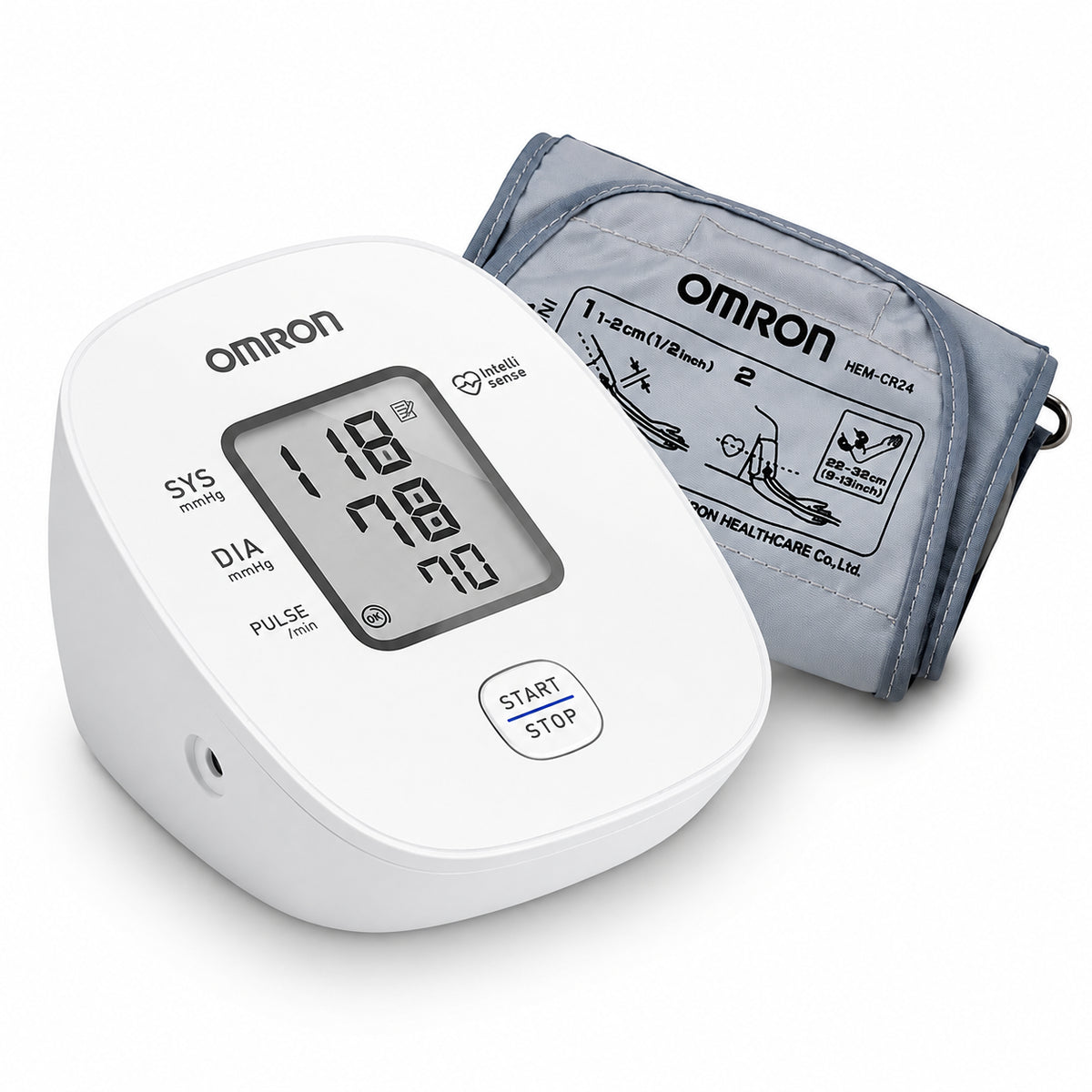

Omron 7121J BP Monitor with Hypertension Indicator | Digital BP Machine

Diamond Mercurial BP Instrument Stand Model with Velcro Cuff BPMR152

Diamond BPMR150 Mercury Sphygmomanometer with Adjustable Stand

Diamond BPDL250 Dial Deluxe Sphygmomanometer with Field Calibration
What High Blood Pressure Means for Your Family
hypertension means blood pressure stays too high inside your blood vessels. Home monitoring helps your family track results, but a health professional must confirm hypertension and assess your risks. Most people have no symptoms, so feeling well does not rule it out.
For an Indian household, the practical approach is simple: measure correctly, keep records, share healthier habits, and recognise urgent warning signs.
What is hypertension?
Hypertension is blood pressure that remains too high over time. Blood pushes against your blood vessel walls as your heart pumps. Persistently high pressure can damage those vessels and strain important organs.
Families often call it hypertension or high bp. These names describe the same condition. However, one raised result does not usually establish a diagnosis. Repeated measurements help distinguish an ongoing problem from a temporary rise.
Think of home monitoring as collecting useful information, not conducting a complete health examination. A measurement shows pressure at that moment. Your clinician connects those numbers with your health history and other findings.
This distinction matters when relatives compare measurements. Your father's follow-up plan may differ from yours. Age, other health conditions, and overall risk influence the care each person needs.
Make hypertension a shared health topic rather than a source of blame. One family member can maintain records. Another can arrange appointments or support changes in cooking. The person being monitored should remain involved in every decision.
What do the two blood pressure numbers mean?
Blood pressure appears as two numbers, such as 140/90 mmHg. The first number is systolic pressure. It measures pressure when your heart contracts. The second, diastolic pressure, measures pressure between beats.
The unit mmHg means millimetres of mercury. You do not need to memorise that term. You do need to record both numbers clearly, without reversing them.
Either number can matter. A raised upper number should not be dismissed because the lower number looks acceptable. The reverse also applies. Your clinician considers whichever number places the value in the higher category.
A digital monitor may also display pulse. Pulse counts heartbeats per minute; it is not the lower blood pressure number. Keep the monitor instructions nearby until everyone can identify each display correctly.
When sharing results, say both numbers and the measurement setting. For example, say, “My home reading was 146 over 92.” Avoid reporting only “My BP was 146.” That leaves out information needed for interpretation.
Write the unit once at the top of your record. Use separate columns for the upper and lower numbers. This helps relatives read handwritten entries without confusion.
Which blood pressure reading counts as hypertension?
Which blood pressure result is called hypertension? WHO defines hypertension as blood pressure of 140/90 mmHg or higher. Diagnosis involves measurements on two different days. On both days, systolic pressure is at least 140 and/or diastolic pressure is at least 90.

The NHS uses 140/90 mmHg for clinic measurements and 135/85 mmHg for home measurements. Home interpretation generally relies on repeated values or an average, not one isolated result.
These are useful reference points for this guide. They are not personal targets or permission to ignore readings below them.
|
Source or setting |
Threshold and meaning |
|---|---|
|
WHO |
At least 140 systolic and/or 90 diastolic on two different days |
|
NHS clinic measurement |
140/90 mmHg or higher |
|
NHS home measurement |
135/85 mmHg or higher, assessed through repeated measurements |
|
American Heart Association stage 1 |
Systolic 130–139 or diastolic 80–89 mmHg |
The American Heart Association calls 130–139 systolic or 80–89 diastolic stage 1 hypertension. This is a different classification framework, not a faulty monitor or contradictory measurement.
Indian guidance also needs context. The Indian Guidelines on Hypertension, published by JAPI, reference 130/80 mmHg for a 24-hour ambulatory average. They retain 140/90 for office diagnosis and 135/85 for mean home results.
Do not treat 130/80 as one universal Indian diagnostic threshold. Ask which guideline, measurement method, and purpose your clinician means. A diagnosis threshold, monitoring threshold, and individual care target are different things.
Does high blood pressure cause symptoms?
Does high blood pressure usually have symptoms? No. Most people with hypertension notice no symptoms. Measuring blood pressure is the reliable way to find out whether it is raised.
Someone may cook, travel, work, and exercise while having hypertension. A person who looks healthy can still need assessment. Never cancel a planned check because an older relative says they feel completely fine.
Searching for hypertension symptoms can create false reassurance. Headaches, tiredness, or dizziness cannot reliably confirm hypertension. Their absence cannot rule it out either. These symptoms can also have other causes.
What symptoms can very high blood pressure cause? Very high results, usually around 180/120 mmHg or higher, may cause severe headache, chest pain, dizziness, or breathlessness. Vision changes, confusion, and nosebleeds may also occur. Very high measurements with these symptoms need immediate medical attention.
Do not use that list as a home diagnosis tool. A nosebleed alone does not prove hypertension. Equally, severe chest pain needs urgent help even when no blood pressure measurement is available.
The safest family habit is to separate routine screening from emergency recognition. Routine checks find silent hypertension. Sudden serious symptoms require urgent action.
What raises the risk of high blood pressure?
Age and family history can increase hypertension risk. Excess weight, inactivity, high sodium intake, and excess alcohol also contribute. Diabetes and some other health conditions make clinical assessment especially important.
Having a parent with hypertension does not establish your diagnosis. It does give you a reason to discuss screening. Mention affected close relatives when you attend a health check.
Avoid assumptions based on appearance. A lean person can have hypertension. A younger adult can have it too. The condition is not limited to grandparents or people with stressful jobs.
At home, discuss facts rather than blame. “Let us arrange a check” is more useful than “You caused this.” Family support should make appointments and daily habits easier, not turn meals into arguments.
Prepare a short family health note. Include known hypertension, diabetes, kidney disease, and major heart or stroke history. Let the clinician decide which details affect your assessment.
Keep that note private. Ask permission before sharing a relative's health information with extended family. Support works best when the person feels respected rather than watched.
How often should adults check blood pressure?
How often should adults check their blood pressure? The right interval depends on age, previous values, and risk. Adults with diagnosed hypertension need an individual monitoring plan rather than a general screening schedule.
Indian Guidelines on Hypertension recommend yearly screening above age 40. They suggest checks every two to three years below 40. Higher risk or previous raised readings may justify closer assessment.
Do not interpret a screening interval as a reason to delay a recommended review. A clinician may ask for checks sooner after a raised result. Pregnancy and other specific conditions also need separate plans.
Use familiar reminders for routine screening. A birthday month, annual health appointment, or family calendar can help. Record when the next check is due instead of relying on memory.
For someone already monitoring hypertension, ask three practical questions:
-
Which days should I measure, and at what times?
-
How many results should I take during each session?
-
Which results mean I should contact the clinic sooner?
Write the answers inside the monitoring notebook. A clear schedule prevents both forgotten checks and repeated measurements driven by worry.
Buying guide for a home blood pressure monitor
Choose a validated automatic monitor with an upper-arm cuff. Validation means the device has undergone recognised accuracy testing. Ask a health professional to help confirm suitability if the product information is unclear.


Cuff fit matters as much as the monitor. Measure around the upper arm and match the manufacturer's cuff range. One cuff may not fit every adult in a shared household.
The American Heart Association does not generally recommend wrist or finger monitors. Their results are less reliable. If an upper-arm cuff is unsuitable, ask a clinician about an appropriate alternative.
For pregnancy, childhood, or other special circumstances, confirm validation for that group. Do not assume that any monitor works equally well for everyone.
Useful practical features depend on the user. Consider a readable screen, simple controls, and memory that separates different users. These features help organisation; they do not replace accuracy checks.
Bring the monitor and cuff to an appointment. Ask someone to observe your technique and compare the device with clinic equipment. Arrange later checks as advised, including the manufacturer's recommendations.
Keep the instructions with the device. Store the cuff and tubing carefully. Follow the manufacturer's cleaning guidance rather than improvising.
How do I check my blood pressure at home?
Rest quietly for at least five minutes before measuring. Sit with your back supported and feet flat. Place the cuff on your bare upper arm, supported at heart level. Take two measurements one minute apart and record both.

Follow this sequence for each planned session:
-
Prepare ahead. Avoid smoking, caffeinated drinks, alcohol, and exercise for at least 30 minutes beforehand.
-
Empty your bladder. Do this before settling into the chair.
-
Choose a supported seat. Keep your back against the chair and your legs uncrossed.
-
Rest without distractions. Sit quietly for at least five minutes. Do not talk or use your phone.
-
Uncover the upper arm. Place the cuff against bare skin, following the device instructions.
-
Support the arm. Use a table or cushion so the cuff's middle sits at heart level.
-
Take the first value. Stay still and quiet while the cuff inflates and releases.
-
Wait one minute. Take the second reading without changing position.
-
Record both results. Include the date, time, and any relevant circumstances.
For many homes, a dining chair and table provide a practical setup. Choose somewhere with enough room for both feet. Avoid taking values while balancing on a bed or leaning forward without support.
Ask a nurse or clinician to watch you complete the whole sequence once. Result instructions and demonstrating them are different skills. A brief demonstration can reveal an unnoticed positioning problem.
Common hypertension measurement mistakes to avoid
A rushed measurement can mislead the family. So can an unsupported arm, crossed legs, talking, or measuring over clothes. Correct positioning helps make readings more dependable.

Build a repeatable setup rather than correcting something different every day.
|
Common problem |
Practical correction |
|---|---|
|
Checking immediately after climbing stairs |
Sit quietly before measuring |
|
Measuring after morning chai |
Allow the recommended caffeine-free interval |
|
Cuff placed over a sleeve |
Uncover the upper arm |
|
Arm hanging beside the chair |
Support it at heart level |
|
Talking during inflation |
Keep the session quiet |
|
Sharing an unsuitable cuff |
Check each person's arm measurement |
These corrections follow standard home measurement guidance. A cuff that does not fit can produce inaccurate results. Ask for help rather than forcing it onto the arm.
Arrange clothing before the resting period. Choose sleeves that let you uncover the arm comfortably. If clothing cannot move easily, change into something suitable before starting.
Keep the television quiet and postpone conversation. A family member can help position the cuff, then step back. Avoid announcing each number dramatically as it appears.
If the device displays an error, follow its instructions. Note repeated errors and ask for advice. Do not convert an error message into an assumed blood pressure result.
How many days of home readings help a review?
A clinician may request morning and evening results over several days. For diagnostic home monitoring, NICE recommends at least four days, ideally seven. Take two seated results at least one minute apart each time.
Under that protocol, discard the first day's results when calculating the diagnostic average. Average the remaining measurements. However, follow your clinician's instructions rather than applying this rule to every monitoring situation.
Long-term monitoring may use a different schedule. Ask when to start, when to stop, and when to send results. There is no benefit in creating a demanding routine nobody has requested.
For an Indian household, mornings may involve school preparation, cooking, and commuting. Reserve the quiet measurement period before those tasks become urgent. Evening checks should also allow proper preparation.
If you work shifts, describe your actual routine to the clinician. Ask which consistent times suit your waking and sleeping pattern. Do not label a session “morning” merely because the clock says so.
If you miss a planned session, record the gap honestly. Do not invent a number or copy yesterday's value. A clear record with a missing entry is more useful than a complete but inaccurate notebook.
Keep a hypertension record your doctor can use
A series of values gives a fuller picture than one measurement. Record both results from each session. Keep the original entries, even when one looks unusually high or low.

A paper notebook works well if everyone can read it. A phone note or spreadsheet is another option. Choose the method the person using it finds easiest, not the most complicated option.
Use a simple layout:
|
Date and time |
Reading one |
Result two |
Brief note |
|---|---|---|---|
|
Enter the actual date and time |
Upper/lower number |
Upper/lower number |
Symptoms or unusual circumstances |
Useful notes might include an interrupted session, recent activity, or a positioning problem. Keep comments short and factual. Do not decide that one stressful event explains an entire pattern.
Give each family member a separate page or device profile. Put the person's name at the top. Check the selected profile before pressing the start button.
Before an appointment, arrange entries in date order. Bring the full record rather than only the highest result. If requested, prepare an average without deleting the underlying readings.
Protect digital records with the same care as other health information. Ask before sending a parent's results to a family messaging group. Share them directly with the care team through its preferred method.
What to do after one very high reading
What should I do if one measurement is very high? First, check whether the person has serious symptoms. Chest pain, breathlessness, weakness, or trouble speaking require emergency action. Do not spend time troubleshooting the monitor first.
If there are no symptoms and the value exceeds 180 systolic and/or 120 diastolic, wait at least one minute. Take another reading. If it remains that high, contact a health professional immediately.
Do not wait until the next routine appointment. Tell the professional both results, the timing, and whether symptoms are present. Follow their instructions about where to seek assessment.
If prompt professional advice is unavailable, seek urgent medical assessment. An absence of symptoms does not make a persistently extreme result safe to ignore.
For a raised measurement below that extreme level, repeat it correctly and record both results. Arrange review according to your agreed plan, especially if raised measurements keep appearing.
Avoid repeated testing until a preferred number appears. The aim is an honest record, not a reassuring final screen. Keep the person seated calmly while arranging the appropriate help.
Tell another adult what is happening when possible. One person can communicate with the clinician. Another can gather the record and arrange transport if advised.
Which signs mean high blood pressure is an emergency?
Very high blood pressure with chest pain, breathlessness, back pain, numbness, weakness, vision changes, or difficulty speaking is an emergency. Call local emergency services immediately. Do not wait to see whether the value falls by itself.

The American Heart Association highlights these symptoms when blood pressure exceeds 180 systolic and/or 120 diastolic. Either number can cross the threshold; both do not need to be high together.
Severe headache, confusion, dizziness, or nosebleeding with very high values also needs immediate medical care. Describe every symptom clearly rather than guessing whether hypertension caused it.
Serious symptoms can require emergency assessment even below these thresholds. Do not delay help because the monitor is unavailable. A blood pressure measurement is not a requirement before seeking emergency care.
Keep these family actions straightforward:
-
Call for emergency help and explain the symptoms first.
-
State the blood pressure reading if available.
-
Note when symptoms began, as accurately as possible.
-
Keep the person accompanied while following emergency instructions.
-
Have the health record ready without delaying help.
Do not ask an unwell person to drive. Avoid turning an emergency into a family debate about whether the device is accurate. Urgent assessment takes priority over completing a monitoring log.
Why home readings cannot replace doctor visits
Can home readings replace a doctor visit? No. WHO says automated devices can measure blood pressure at home. However, a health professional must assess the person's risk and associated conditions. Home monitoring supports that assessment rather than replacing it.
Your clinician may review your history, examine you, and request relevant tests. They can consider heart, kidney, and other health risks that a monitor cannot assess.
Clinic and home results sometimes differ. White-coat hypertension means results are high in the clinic but lower outside it. Masked hypertension describes the opposite pattern. Both need proper professional interpretation.
A clinician may recommend a wearable monitor that records blood pressure over 24 hours. This is ambulatory monitoring. It gathers information during ordinary daily activities and sleep.
Do not choose whichever setting gives the more comfortable result. Bring both sets of results. Explain how you measured at home and whether anything interrupted the process.
Never stop prescribed medication on your own. Speak with your health professional before making changes, regardless of reassuring home measurements.
Ask what follow-up will involve before leaving. Record the next appointment, requested measurements, and contact route for concerns. Knowing the next step makes home monitoring more purposeful.
Salt intake and hypertension at home
How does salt intake affect blood pressure? Too much sodium increases blood pressure. Reducing sodium is an important part of hypertension prevention and care. WHO recommends less than 2 grams of sodium daily for adults.

That equals less than 5 grams of salt daily, roughly just under one teaspoon. This allowance includes sodium from all foods. It is not an extra teaspoon to add during cooking.
Salt and sodium are not interchangeable amounts. Food labels may list sodium in milligrams. Remember that 2 grams of sodium equals 2,000 milligrams.
Review the whole day's food rather than only the salt container. Salty snacks, sauces, processed foods, and condiments can contribute sodium. Their contribution matters alongside salt added at home.
In your kitchen, examine familiar items such as pickle, papad, namkeen, chutney powders, and packaged mixes. Check recipes or labels rather than assuming every version contains the same amount.
Try practical changes:
-
Measure cooking salt instead of adding it freely.
-
Taste food before reaching for extra salt.
-
Serve salty accompaniments in smaller amounts.
-
Compare sodium labels using the same serving basis.
-
Ask for less added salt when ordering food.
These steps apply WHO's advice to reduce cooking salt and high-sodium foods. They do not require abandoning Indian meals.
Discuss the plan with whoever cooks, including relatives or household help. Agree on changes together. Do not quietly add extra salt after another person has adjusted the shared recipe.
Hypertension and food: what to eat and what to limit
Which lifestyle habits help keep blood pressure healthy? Eat more fruit and vegetables, reduce sodium and saturated fat, stay active, and maintain a healthy weight. Avoid tobacco, limit alcohol, and manage stress. These habits support ongoing clinical care.
Start with the meals your family already eats. Plan vegetable dishes alongside familiar staples and pulses. Choose seasonal produce that fits your household budget and preferences.
Reduce saturated fat rather than treating all fats as identical. Review frequent use of ghee, butter, cream, and rich fried foods. A balanced eating pattern matters more than describing one meal as healthy.
Make changes specific enough to repeat. Put fruit on the shopping list. Prepare vegetables before a busy evening. Decide which salty snack will become occasional rather than daily.
Shared meals can make the routine easier. Avoid preparing one bland plate for a parent while everyone else eats differently. Invite the family to adjust recipes together without framing food as punishment.
No single food should be presented as a cure for hypertension. A meal plan should also account for other health conditions. People with kidney disease or existing dietary restrictions need individual guidance.
Review progress through habits, not promises about the next result. Ask whether the agreed meals were practical. Adjust preparation and shopping before abandoning the whole plan.
Physical activity and healthy weight with hypertension
Regular activity supports blood pressure and weight management. The American Heart Association recommends at least 150 minutes of moderate aerobic activity each week. Brisk walking is one accessible example.
Spread activity across the week rather than saving everything for one tiring day. Begin gradually if you have been inactive. Ask your clinician about suitable activity when you have other health conditions.
For an Indian family, choose a routine that fits the neighbourhood and weather. A nearby walking route or indoor space may be easier than travelling elsewhere. The useful plan is one you can repeat.
Try making activity a shared appointment. A spouse can join an evening walk. Adult children can help an older parent identify a comfortable route. Support should match the person's ability and preferences.
Maintaining a healthy weight also matters for hypertension. If weight reduction is appropriate, discuss a realistic approach with your care team. Avoid crash diets and promises of rapid results.
Do not use exercise to respond to a very high measurement. Follow the urgent-action guidance instead. Routine activity and emergency assessment serve different purposes.
Keep activity separate from the measurement session. Remember the recommended interval without exercise before checking blood pressure. This helps make planned values comparable.
Tobacco, alcohol, stress, and hypertension
Can smoking and stress affect blood pressure? Yes. Nicotine raises blood pressure, while stress can cause temporary increases. Tobacco also damages blood vessels and increases cardiovascular risk. The long-term relationship between stress and hypertension remains complex.
Avoid tobacco in all forms, including cigarettes, bidis, and smokeless products. Ask a health professional for cessation support. Do not treat a tobacco-free morning as a substitute for stopping tobacco use.
Excess alcohol can raise blood pressure. Limit alcohol, and discuss your actual intake honestly during assessment. Do not begin drinking because someone describes alcohol as beneficial for the heart.
Stress deserves attention without becoming an explanation for every high result. A difficult commute or family argument may affect a value. Repeated raised measurements still need clinical review.
Choose manageable ways to unwind. Quiet time, enjoyable activity, supportive conversation, and regular sleep can help with stress. These are supportive habits, not emergency measures or guaranteed hypertension treatments.
Reduce monitoring-related tension too. Agree that nobody will comment critically on a reading. Record the number, follow the plan, and discuss concerns calmly.
If anxiety makes checking difficult, tell the clinician. Ask for a schedule that gives useful information without encouraging constant checking.
How can the family help someone with hypertension?
Give each person a clear role, with consent. One relative might arrange transport. Another might help with the notebook. The person with hypertension should decide what assistance feels useful.
For an older adult, check practical barriers before calling them forgetful. They may struggle with cuff placement, screen size, or handwritten records. Ask them to demonstrate the process rather than simply asking whether they understand.
Use the language everyone understands best when discussing instructions. Keep the written monitoring plan simple. If necessary, ask the clinic to explain the plan again with the person present.
Pregnancy requires particular caution. High blood pressure can develop during pregnancy or after birth. Severe headache, vision problems, pain below the ribs, or feeling very unwell needs immediate assessment.
Do not wait for 180/120 during pregnancy. Pregnancy-related hypertension uses different assessment thresholds and care pathways. Follow maternity advice rather than applying a general adult emergency threshold on its own.
Children also need age-appropriate assessment. Do not apply adult diagnostic numbers to a child's result. Ask a qualified professional about suitable measurement and interpretation.
Hypertension checklist for your next review
Prepare for the appointment before the day becomes busy. Bring the information your clinician requested, along with questions you want answered. Keep the original readings available rather than rewriting only a summary.
-
Bring your home blood pressure record, including both results from each session.
-
Bring the monitor and cuff when requested for a technique or accuracy check.
-
Note any symptoms and when they happened.
-
Mention missed sessions, device errors, or difficulty positioning the cuff.
-
Explain your usual meals, tobacco use, alcohol intake, and activity honestly.
-
Mention pregnancy, recent childbirth, and important existing health conditions.
-
Ask which threshold applies to your home results.
-
Confirm the next monitoring schedule and review date.
-
Write down whom to contact after a concerning result.
Share the agreed plan with the relative helping you. Keep it beside the monitoring record. Make sure everyone understands the difference between routine follow-up, immediate professional contact, and emergency help.
Summary: steady monitoring with professional care
Useful hypertension monitoring is consistent, accurate, and connected to professional care. It is not a search for symptoms or a competition for the lowest measurement. Keep the routine manageable and the records honest.
Choose one practical next step today. Arrange a needed check, review cuff fit, or organise the family notebook. Small organisational changes can make the whole care plan easier to follow.