


Nebulizer Medicine


Portable Mesh Nebulizer for Home & Travel Use


Omron NEC 301 Duo Baby 2 in 1 Compressor Nebulizer Nasal Aspirator


Omron Portable Pocket Sized 360° Silent Mesh Nebulizer NE-U100


Omron NE C28 Compressor Nebulizer With Virtual Valve Technology
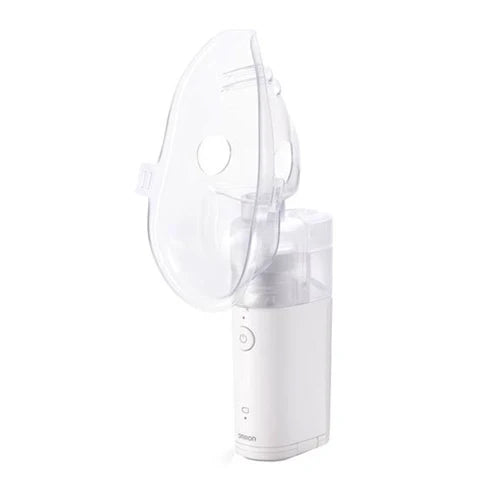

OMRON NE-U200 Durable and Reliable Portable Nebulizer


Omron Compressor Nebulizer NE C106


Cool Mist Ultrasonic Mesh Nebulizer Nebulizer with Rechargeable Batteries


Beurer Nebulizer with 2 Masks Made in Germany


Beurer Nebulizer with 0.25 ml per min capacity and German Technology

AccuSure Nebulizer JL Complete Kit with Adult and Child Mask
Understanding Nebulizer Medicine and Its Uses
Nebulizer medicine is liquid breathing medicine made for a nebulizer. The machine turns it into a mist that you breathe into the lungs. For example, a doctor may prescribe it for a child, an older adult, or someone who struggles with an inhaler. However, the doctor must choose the medicine, dose, and schedule because incorrect use can cause side effects or delay treatment.
A nebulizer can feel simple once you know the basics. Still, it is a medical treatment, not a home remedy. This guide explains the medicine, the nebulizer, safe use, cleaning, and when to call the doctor. For related breathing care, see asthma action plan and COPD care basics.
Nebulizer medicine vs the nebulizer machine
Nebulizer medicine and the nebulizer machine are not the same thing. The medicine is the liquid drug. The nebulizer is the device that changes that liquid into a mist. You breathe that mist through a mask or mouthpiece.
Think of the nebulizer as the delivery tool and the medicine as the treatment. However, the machine cannot decide what your lungs need; your doctor determines the medicine and dose.

This difference matters for families. A grandparent may already own a nebulizer. A child may need a mask that fits well. Neither fact means any liquid belongs in the cup.

How to Plan Nebulizer Medicine Use With Your Doctor
A care plan should answer five basic questions:
-
What medicine goes into the nebulizer cup?
-
How much of the drug should be used?
-
How often should treatments happen?
-
What symptoms mean you need help?
-
How should parts be cleaned and stored?
Some people use the phrase medicine for the nebulizer. In this context, it means a liquid medicine made for inhaling through the device. It does not mean crushed pills, cough syrup, essential oils, or homemade mixtures.
Nebulizer cup, tubing, and mask
The nebulizer cup holds the treatment liquid, while tubing connects the cup to the air compressor. Meanwhile, the mask or mouthpiece helps the mist reach the airways. Airways are the tubes that carry air into the lungs.
A child may need calm coaching during treatment, whereas an older adult may need help sitting upright. Caregivers can also check that mist flows properly. Together, these steps support more consistent treatment.
Families should also know one key limit. A nebulizer does not cure asthma, chronic obstructive pulmonary disease, or infections. COPD, or chronic obstructive pulmonary disease, is a long-term lung condition that makes breathing difficult. Instead, the nebulizer delivers medicine as part of a wider care plan.
How a nebulizer turns liquid into mist
A nebulizer uses air, vibration, or another device method to break liquid into tiny droplets. These droplets form a mist that you can breathe in. As a result, prescribed medicine can reach the airways in the lungs.
Many home nebulizers use a compressor. A compressor pushes air through tubing into the cup. That airflow helps create the mist. Other devices may use different technology, but the purpose stays similar.


Step-by-Step Guide to Using Nebulizer Medicine
How does a nebulizer turn liquid medicine into mist? It breaks the liquid into small particles that travel with your breath. However, the exact method depends on the machine type, so follow instructions for your device.
The person using the nebulizer usually breathes normally. This can help people who cannot coordinate an inhaler spray with a breath. For instance, normal breathing may be easier for young children or frail older adults.
Good technique still matters. Therefore, keep the nebulizer cup upright, fit the mask closely to the face, and place the mouthpiece between the lips.
Here is a simple treatment flow:
-
Wash your hands.
-
Check the medicine label.
-
Add only the prescribed liquid.
-
Connect the tubing and cup.
-
Sit upright and relax the shoulders.
-
Place the mask or mouthpiece.
-
Turn on the nebulizer.
-
Breathe slowly and evenly.
-
Stop when the mist is gone.
-
Clean the parts as directed.
How to Keep a Nebulizer Session Calm and Steady
Do not rush the session because fast, shallow breathing can reduce medicine delivery. Likewise, crying can reduce how much mist reaches a child’s lungs. If a child cries, pause when safe and try calming them before continuing according to the care team’s instructions.

Use a quiet activity when possible. For example, a book, song, or simple video can help a child sit still. Meanwhile, an older adult may benefit from a stable chair with good back support.
The nebulizer should usually make a steady mist. However, it may sputter near the end when little liquid remains. Therefore, follow the device and treatment instructions about when to stop.
Ask a clinician to watch your technique. A clinician is a trained health worker, such as a nurse, doctor, or respiratory therapist. This quick check can reveal loose tubing, poor mask fit, or wrong cleaning habits.
Types of Nebulizer Medicine by Drug Class
Doctors prescribe different medicine classes for different breathing problems. In this context, a drug class means a group of medicines that work in a similar way. This section provides general information rather than advice on which drug to use.
Quick-relief nebulizer medicines
Quick-relief medicines help open tight airways. For example, they may be prescribed for wheezing, chest tightness, or shortness of breath. Wheezing means a whistling sound when breathing.
These medications can act quickly; however, they may also cause side effects. Some people feel shaky or notice a faster heartbeat. Contact the doctor if these effects are strong or unusual.
A rescue plan should clearly say when to use the medication and when to seek urgent care. Therefore, keep the written instructions somewhere patients and caregivers can easily find them.
Long-term control nebulizer medicines
Some medications help control swelling inside the airways. This swelling is called inflammation, meaning the tissues become irritated and puffy. However, these medicines may not provide quick relief during a sudden attack.
A person should use controller medicine exactly as prescribed. Otherwise, skipped doses may make symptoms harder to manage, while extra doses may cause harm.
Caregivers should not change the schedule alone, especially for children and older adults. This is because lung function, body weight, and other medicines can affect the treatment plan.
Sterile Saline and Other Nebulizer Liquids
Sterile saline is salt water prepared to be free from germs. In some care plans, it may help loosen mucus. Mucus is the thick fluid that can collect in irritated or infected airways.
However, sterile does not mean optional or harmless. Use saline only when recommended by the care team because the concentration and amount can matter.
Do not use tap water as a nebulizer liquid. Unlike sterile products made for inhalation, tap water may contain germs or minerals that should not enter the lungs.
Antibiotic and other special nebulizer medicines
Some lung conditions require inhaled antibiotics. These medicines treat certain bacterial infections; however, they should be used only for the conditions a clinician identifies.
These drugs require careful instructions. For example, some need a particular nebulizer device or order of use. In addition, certain products should not be mixed with other liquids.
Before combining two medicines in the same nebulizer cup, ask the care team or pharmacist. Even when both are prescribed, mixing them may not be permitted.
Nebulizer medicines for specific diagnoses
A diagnosis is the name of the health condition. Asthma, COPD, and cystic fibrosis are examples. Cystic fibrosis is an inherited disease that causes thick mucus.
Different diagnoses may call for different devices, cleaning rules, and treatment schedules. Therefore, never share one person’s treatment plan with another, even within the same household.
Keep a written list near the nebulizer. Include the medicine name, dose, time, and doctor’s phone number. Update the list after every medication change.
Prefilled Nebules and Bottled Nebulizer Liquids
A nebule is a small sealed container that usually holds a single dose of liquid medicine. It is sometimes called a unit-dose container. As a result, the prescribed amount may be easier to prepare.
What is a nebule and how is it used? First, open it as directed and add its liquid to the nebulizer cup. Then use it only according to the label and care team’s instructions.
Dosing accuracy for nebulizer medicine
Because many nebules contain a premeasured amount, they can reduce measuring errors. This may be especially helpful to caregivers handling several medicines each day.
Other nebulizer liquids come in bottles or different containers. Some require measuring, while others need special storage, such as protection from light. Therefore, always check the product label before each treatment.
How to Check and Store Nebulizer Medicine
A sealed nebule is not automatically appropriate for every patient. Before treatment, check the medicine name, strength, prescribed dose, and expiry date. Even when two people have similar symptoms, they may need different medicines or doses. Therefore, never share prescribed nebulizer medicine.
Next, inspect the container for damage or leaks and check the liquid as the manufacturer directs. Some formulations are naturally cloudy, whereas others should be clear. If the colour or appearance differs from the label description, do not use it until a pharmacist has checked it. Finally, store each container as directed and follow instructions for using or discarding opened doses.
Families should create a simple medication routine:
-
Store doses where the label says.
-
Keep opened medication away from children.
-
Check expiration dates.
-
Use good lighting when reading labels.
-
Throw away damaged containers safely.
-
Keep each person’s medicine separate.
Other names for nebulizer medicine containers
Do not call every small container a nebule. For example, some containers hold liquids that are not made for nebulizers. Therefore, check the label rather than relying on the container’s shape.
The terminology can also vary by region. For example, people may hear vial, ampoule, respule, or unit dose. Regardless of the name, follow the exact prescription label.
Why nebulizer medicine needs a prescription
A prescription matters because breathing medicines affect the lungs, heart, and sometimes the whole body. Therefore, the right choice depends on age, diagnosis, symptoms, allergies, and other medicines. The doctor also decides the dose and timing.
Can nebulizer medicine be used without a prescription? Generally, do not use prescription nebulizer medicine without the treating clinician’s instructions. Otherwise, an unsuitable product or dose could delay needed care.
When a doctor may prescribe nebulizer medicine
When might a doctor prescribe nebulization? A doctor may prescribe it when inhaled medicine is needed and a nebulizer fits the person’s needs. This may happen when a child cannot use an inhaler well. It may also help an elder who cannot breathe in strongly.

Doctors may also use nebulization during serious breathing problems. For example, emergency care may include a prescribed nebulizer treatment. However, that does not make unsupervised home treatment appropriate.
The doctor also checks whether symptoms need a different treatment. For instance, a cough may be caused by asthma, infection, heart disease, or another condition. Using the wrong medicine could hide warning signs.
Pharmacist support for nebulizer medicine doses
Dose matters because too little may not help, while too much may cause side effects. In addition, the correct dose may change as a child grows or an older adult’s health changes.
A pharmacist can also help by explaining labels, storage, and treatment timing. Furthermore, pharmacists can clarify whether two prescribed medicines can be safely mixed.
Checklist before each treatment
Go through these questions before every nebulizer session:
-
Is this medicine prescribed for this person?
-
Is today’s dose due now?
-
Is the liquid made for nebulizer use?
-
Does the label match the care plan?
-
Is the medicine expired?
-
Does the liquid look normal?
-
Are the parts clean and dry?
-
Do we know when to call for help?
Never share nebulizer treatments
Never share prescribed nebulizer treatments between people. For example, a medicine intended for one child may harm a sibling, and an older adult’s medicine may not suit a younger person.

Written action plan
Ask for a written action plan. In particular, it should explain what to do when symptoms are mild, worsening, or severe and include emergency warning signs.
Bringing your nebulizer setup to doctor visits
For more support, add a visit note template. Bring the nebulizer, mask, cup, and medicine list to visits. The care team can check the whole routine.
What not to put in a nebulizer
Do not put random liquids into a nebulizer because the lungs are delicate. For example, a liquid that is safe to swallow or smell may still be harmful when inhaled deeply.
Is any liquid medicine safe to put into a nebulizer? No. Only products specifically intended and prescribed for nebulizer use belong in the cup; therefore, do not add pills, syrups, oils, or homemade mixtures.
Avoid these unless your care team gives clear written directions:
-
Tap water
-
Bottled drinking water
-
Essential oils
-
Fragrance oils
-
Cough syrup
-
Crushed tablets
-
Herbal mixtures
-
Hydrogen peroxide
-
Alcohol
-
Skin products
-
Leftover medicine from another person
-
Any unlabeled liquid

Essential oils and aromatherapy
Essential oils deserve special caution because they are concentrated plant oils. Although a product is natural, it is not necessarily safe to inhale. For instance, some children may develop coughing, wheezing, or other reactions.
Aromatherapy is not the same as medical nebulization. Whereas aromatherapy uses scent for comfort, medical nebulization delivers a prescribed treatment toward the lungs. Therefore, do not mix the two uses.
Diluting and mixing nebulizer medicines
Do not dilute medicines unless the doctor or pharmacist instructs you to do so. Diluting means adding liquid to change the concentration. As a result, an incorrect dilution may affect the amount of medicine delivered.
Do not mix two medicines merely to save time. Although some combinations are permitted, others are not. Therefore, ask whenever the plan changes.
Leftover nebulizer medicine and dirty equipment
Do not reuse medicine left in the cup after a session. Over time, the liquid may become contaminated or unsuitable for use.
Do not use a dirty cup, even when treatment feels urgent. If breathing is so difficult that safe treatment cannot be prepared, seek medical help. Otherwise, contaminated parts could carry germs into the airways.
Safety for older adults and children
Caregivers helping older adults should watch for medication mix-ups. Because many older adults take several medicines, store nebulizer liquids separately from eye drops, ear drops, and skin products.
For households with children, keep nebulizer medicine locked away. Although a nebule can look harmless, using or swallowing it incorrectly can be dangerous.
What to do after a mistake
If you made a mistake, do not panic. Stop the treatment. Call the doctor, pharmacist, poison center, or emergency services based on symptoms. Bring the container if you seek care.
Cleaning and care after each use
Clean the reusable nebulizer parts after each use unless the device instructions say otherwise. This helps remove medicine residue and germs. As a result, proper cleaning can reduce the risk of contamination.
How often should nebulizer parts be cleaned or replaced? Follow the device maker’s instructions for cleaning reusable parts and replacing them on schedule. In addition, replace damaged, blocked, or discoloured parts as advised.
Basic cleaning steps
Basic cleaning often includes the cup, mouthpiece, or mask. Do not wash the compressor. Do not place tubing in water unless your instructions say to do so. Wet tubing can grow germs.

Many general instructions include these steps:
-
Unplug the nebulizer.
-
Take apart the cup and mouthpiece or mask.
-
Rinse or wash parts as directed.
-
Shake off extra water.
-
Air dry on a clean towel.
-
Store parts in a clean, dry place.
Disinfection and drying
Some devices require washing with mild dish soap, while certain conditions call for additional disinfection. Disinfection means using an approved method to reduce germs further. Therefore, follow the instructions for the specific device.

Follow both the device instructions and the care team’s advice. In particular, people with cystic fibrosis or weakened immune systems may need stricter cleaning practices.
Do not dry parts with a used dish towel because it may transfer germs back to clean surfaces. Instead, allow approved washable parts to air-dry as directed.
Do not store damp parts in a sealed bag. Moisture helps germs grow. Wait until parts are dry before storage.
Filter, mask fit, and when to replace parts
If the device has an air filter, check it as instructed. A dirty filter can reduce airflow; therefore, replace it according to the manufacturer’s schedule.
Check the mask fit regularly. For example, children grow, while older adults may lose weight or experience denture changes. As a result, the mask can start leaking mist.
Set a replacement reminder. Use a calendar or phone alert. Write the date on the storage bag if that helps.
Care checklist for caregivers
Here is a caregiver-friendly care checklist:
-
Keep a clean setup area.
-
Wash hands before handling parts.
-
Use only clean, dry parts.
-
Keep tubing off the floor.
-
Watch for weak mist.
-
Listen for odd machine sounds.
-
Replace cracked parts.
-
Keep instructions in one folder.
-
Bring parts to clinic visits.
Cleaning may feel like another chore, but it protects the person using the nebulizer. In addition, clean equipment can help the device deliver treatment more consistently.
FAQs
What is a nebulizer used for?
A nebulizer delivers prescribed liquid breathing medicine as a mist. For example, people with asthma, COPD, or certain other lung conditions may use one. It may be helpful when coordinating an inhaler is difficult.
How long does a nebulizer treatment session usually last?
Treatment time depends on both the device and the prescribed medicine. Therefore, follow the clinician’s plan and device instructions rather than another person’s routine.
When should a patient call the doctor about nebulizer use?
Contact the doctor if symptoms worsen, treatments stop helping, or side effects worry you. Also call if the patient needs treatments more often than the plan allows. Seek urgent help for severe trouble breathing, bluish lips, chest pain, or confusion.
How do inhalers compare with nebulizer machines?
Inhalers are small and quick, while nebulizer machines take more setup and cleaning. Nebulizers may help people who struggle with hand-breath timing. The best choice depends on the medicine, technique, symptoms, and clinician advice.
Can a nebulizer help a child who hates masks?
A nebulizer helps only when enough prescribed mist reaches the child’s airways. However, a poor mask fit or frequent crying may reduce delivery. Ask the care team about mask size, mouthpiece use, timing, and calming techniques.
Can an older adult use a nebulizer alone?
Some older adults can use a nebulizer alone, but others need help. Vision, memory, hand strength, and balance can affect safe use. A caregiver should review setup, cleaning, and warning signs often.

What should I do if the mist stops early?
If the mist stops early, pause and check the setup. For example, look for loose tubing, an empty cup, or blocked parts. However, do not add extra medicine unless the care plan specifically directs it.
Can I travel with nebulizer medicine?
You can often travel with prescribed medicine and equipment, but plan ahead. Keep medications labeled and stored as directed. Pack clean parts, power needs, and your written action plan.

Conclusion and when to see a doctor
Nebulizer medicine can support breathing care when used as prescribed. Therefore, a safe routine starts with the clinician’s choice, clear directions, clean parts, and careful symptom monitoring.
Call the doctor if breathing symptoms change, side effects appear, or the prescribed schedule stops helping. Likewise, ask for guidance about the medicine, dose, mask fit, or cleaning steps whenever unsure.
Seek urgent care immediately for severe shortness of breath, blue or grey lips, chest pain, fainting, confusion, or difficulty speaking. These may be danger signs; therefore, do not wait for another home treatment.
For patients and caregivers, the goal is consistent, prescribed treatment. Therefore, use only the recommended medicine, keep equipment clean, and know when to seek help.