


Pressure Machine


Omron Smart Elite+ HEM-7600T Tubeless Bluetooth BP Monitor
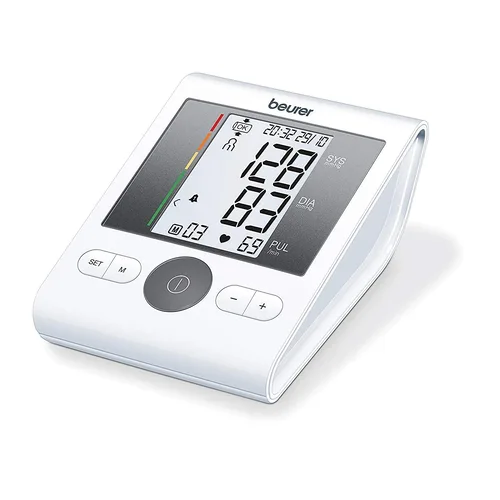

Beurer BM28 Upper Arm Blood Pressure Monitor


Omron HEM-7121J Blood Pressure Monitor with IntelliSense


Beurer BM 81 Blood Pressure Monitor with EasyLock & Bluetooth


AccuSure TS Smart Inflation BP Machine


AccuSure AS Automatic Blood Pressure Monitor


Digital Blood Pressure Machine YE670AR


Rossmax CH155f Automatic Upper Arm BP Monitor
How families use a pressure machine at home
Pressure machine means a digital blood pressure monitor used at home. A family uses it to check pressure numbers and share them with a doctor.
Many people use the word pressure machine for a home BP device. The term can mean other equipment elsewhere, but this guide covers blood pressure machines only. A doctor or trained professional should guide medical use and interpret every blood pressure result.
What does pressure machine mean in everyday use?
A pressure machine, in everyday home use, usually means a digital upper-arm BP monitor. People also call it a BP check machine or blood pressure apparatus.

The machine has a screen, a cuff, and a button. The cuff tightens around the arm. The machine then shows two pressure numbers and often a pulse number.
A pressure number is not a diagnosis by itself. It is a home record that helps a doctor understand a pattern. Home monitoring can support care when done with the right technique. The American Heart Association supports home monitoring when guided by healthcare professionals.
A family may use one pressure machine for parents or elders. Each person should still keep separate records. Mixing records can confuse the doctor.
Pressure machine basics for home use
A home pressure machine is useful because pressure can change during the day. It may rise after walking fast, stress, tea, coffee, or poor sleep. It may also change when a person talks during the check.
The main benefit is consistency. A family can take readings in the same place, using the same chair, arm, and position. That makes the record easier to review.
Use the machine only as a checking tool. Do not change medicines, skip medicines, or start medicines from home results. Your doctor should decide the next step.
For phone users, the simplest method is a notes app. Write the date, time, arm, and numbers. Add a short note only if something was different.
Pressure machine parts and types for home use
A digital pressure machine usually has three main parts. These are the cuff, the display unit, and the air tube or attached cuff system. Some designs keep the cuff and display together.

Cuff function and fit
The cuff matters most for fit. It wraps around the upper arm and inflates during the check. If the cuff is loose or tight, the result may not help.
Display and the numbers it shows
The display shows the pressure numbers. The first number is systolic pressure. The second number is diastolic pressure. Some machines also show pulse.
Buttons and screen visibility
Buttons should be easy for elders to press. A clear screen helps when lighting is poor. Large digits are helpful for family members who use glasses.
Pressure machine types used at home
The pressure machine types covered here are digital blood pressure monitors only. For most homes, an upper-arm digital pressure machine is the most practical option. The American Heart Association recommends an automatic, cuff-style, upper-arm monitor for home use.

Memory and app features
Some digital machines save results. Some connect with phone apps. Some are simpler and only show numbers on screen.
A simple machine can still be useful. The key is correct cuff size, correct posture, and regular recording. Extra features do not replace good technique.
Choosing a machine type for elders
For elders, choose ease over complexity. If a person cannot use an app, keep a notebook. A clear photo of the screen can also help.
The table below lists six home pressure machine points, why each matters, and what a family should do.
|
Home pressure machine point |
Why it matters |
What the family should do |
|---|---|---|
|
Upper-arm digital design |
It is commonly preferred for home checks |
Use it on the bare upper arm |
|
Correct cuff size |
Wrong fit can affect pressure numbers |
Check arm size against the cuff guide |
|
Supported sitting position |
Body position can change results |
Sit with back, feet, and arm supported |
|
Quiet checking |
Talking may affect the result |
Stay silent during the check |
|
Written record |
Single readings can mislead |
Record readings across several days |
|
Doctor review |
Numbers need medical context |
Share the record with a doctor |
Should you choose a digital or a manual BP device?
Choosing between a digital and a manual BP device is a decision for a trained professional. This page covers digital pressure machines only and does not compare them with manual devices.
A digital home BP monitor is easier for many families. It works with a button and shows numbers on screen. It also avoids skill-based reading errors at home.

The family still needs correct technique. A digital device cannot fix poor posture, wrong cuff fit, or rushed checks. The machine supports checking, not decision-making.
If your doctor asks for home readings, ask which model style suits you. Also ask which arm to use. Keep the same method unless your doctor changes it.
Cuff size and fit for a home BP monitor
Cuff size can change a pressure reading. A cuff that does not fit the arm may give a misleading result. The CDC also highlights cuff fit and bare-skin placement for home measurement.
A cuff should match the user’s upper-arm size. Many families share one machine between people. The same cuff may not fit everyone.
Check the cuff label or product guide. It usually mentions the arm size range. If the arm is outside that range, ask a doctor or trained professional.
Do not wrap the cuff over a sleeve. Cloth adds thickness and may affect pressure. Roll the sleeve up without tightening the upper arm.
How does cuff size affect a BP reading?
Cuff size affects a BP reading because the cuff squeezes the arm during the check, so a poorly fitting cuff can disturb the pressure reading.
A small cuff may feel too tight. A large one may sit loose or shift. Either situation can reduce trust in the number.
The AHA scientific statement says correct cuff size and correct placement are key parts of pressure measurement. It also notes that the cuff bladder (the air bag inside the cuff) should cover a proper portion of the arm.
At home, do not guess cuff fit. Measure the upper arm if needed. Then match that size with the guide.
Position and preparation before a home BP check
A pressure machine gives better home records when the body stays still. Sit on a chair with back support. Keep both feet flat on the floor.
Place the cuff on the bare upper arm. Rest the arm on a table. Keep the cuff around heart level.

The CDC describes correct home measuring with no talking, back support, flat feet, and arm support. It also shows the cuff against bare skin.
Avoid sitting on a bed edge if possible. The back may not be supported well. A dining chair and table often work better.
What is the correct position for an upper-arm reading?
The correct position for an upper-arm reading is to sit upright, support your back, rest the arm, and keep the cuff near heart level.
The arm should not hang down. The body should not lean forward. The legs should not be crossed.
Keep the phone aside before pressing start. Do not scroll, talk, laugh, or argue during the reading. Small habits can affect the pressure record.
If the cuff tube or display pulls the arm, adjust it before starting. The arm should feel relaxed. The hand should rest open.
Pressure machine preparation before pressing start
Good preparation before pressing start on a pressure machine makes the result more useful. Do not rush after climbing stairs or doing housework. Sit quietly before checking.
Avoid checking while angry, worried, or walking around. A pressure reading taken in a hurry may not show the usual pattern. It may only show that moment.
Use the toilet first if needed. A full bladder may make sitting uncomfortable. Comfort helps the body stay still.
Check in a quiet corner. Ask family members not to talk to you during the check. Keep children and pets away for a few minutes.
How can a user prepare for a home BP reading?
A user can prepare for a home BP reading by sitting calmly, keeping the cuff ready, and using the same arm and position each time.
Avoid heavy activity just before the check. Do not talk during the check. Place the cuff on bare skin, not over clothing.
Use this checklist before a home BP reading:
-
Sit on a chair with back support.
-
Keep both feet flat on the floor.
-
Rest the arm on a table.
-
Place the cuff on the bare upper arm.
-
Keep the cuff at heart level.
-
Stay silent while the machine checks pressure.
-
Do not hold the phone during the check.
-
Write the numbers exactly as shown.
-
Record the arm used for the reading.
-
Share the record with your doctor.
How to record home BP readings clearly
A pressure machine reading is more useful when recorded properly. Write both numbers in the same order shown on screen. Also write the pulse if your doctor wants it.
Do not round the numbers from memory. If needed, take a clear photo of the screen. Then copy the numbers into a notebook or phone note.
Keep a separate record for each person. For example, make one note for father and another for mother. Do not use one mixed family list.
Add the arm used, such as left arm or right arm. This helps because pressure can differ between arms. Your doctor may ask you to continue with one arm.
Should BP readings be recorded across several days?
BP readings should be recorded across several days, because several days of records usually help more than one isolated reading.
Pressure changes from moment to moment. A single reading may reflect stress, posture, recent activity, or poor cuff placement. A record over several days gives better context.
The AHA scientific statement notes that home monitoring is often based on multiple readings across days. It also says proper technique and validated devices (devices tested for accuracy) are important.
Ask your doctor how many results to bring. Do not create your own medical plan from the record. Use the record for discussion.
Pressure machine numbers: both values and arm differences
A pressure machine usually shows two main numbers. The first number is systolic pressure. The second number is diastolic pressure.

Both numbers matter because they describe different parts of the heartbeat cycle. One reflects pressure when the heart beats. The other reflects pressure when the heart rests between beats.
Do not focus only on the larger number. Do not ignore the smaller number either. Doctors look at both numbers and the person’s health context.
A home machine may also show pulse. Pulse is not the same as blood pressure. Ask your doctor how to use that information.
Why do systolic and diastolic numbers both matter?
Systolic and diastolic numbers both matter because they show different pressure points in the blood flow cycle.
The AHA explains that systolic pressure is the force when the heart beats. Diastolic pressure is the force when the heart rests between beats. Both are used in blood pressure assessment.
At home, record both numbers every time. Do not write only the first number. A partial record may be less useful for your doctor.
Pressure machine readings can differ by arm
Pressure readings can differ between the left and right arm. This can happen for several reasons. The difference may also relate to posture or cuff placement.
When starting home monitoring, ask a doctor which arm to use. If both arms are checked, use the same correct method on both sides. Do not compare rushed results.
The AHA guideline summary says to use the arm with the higher result for later checks. This should be done with professional guidance.
If one arm always reads much higher, do not panic. Share the pattern with your doctor. A trained professional can decide what it means.
Do BP readings differ between left and right arms?
BP readings can differ between the left and right arm, even at home.
A small difference can occur due to position, cuff fit, or timing. A repeated pattern matters more than one quick comparison. Use doctor guidance when choosing the arm.
Do not check one arm while sitting straight and the other while leaning. That is not a fair comparison. Keep the same chair, height, and calm posture.
Habits that keep home BP readings accurate
A pressure machine is not just a product. It is also a routine. The family’s habits affect the usefulness of readings.
Common mistakes include talking during the check. Other mistakes include crossing legs, placing the cuff over clothes, and holding the arm unsupported.
A home BP check machine may be easy to use. Still, it needs careful handling. Treat each reading like a quiet health task.
If the machine gives an error message, do not keep pressing start. Check cuff placement, tube position, and body posture. Then try again calmly.
Staying calm during a pressure machine check
Pressure machine checking can make some people feel worried when the cuff inflates. That worry can affect the moment. Take slow natural breaths before starting.
While the cuff is inflating
Do not stare at the screen in fear. Sit quietly and let the machine finish. Avoid talking about the numbers while the cuff is tight.
Repeating a surprising reading
If the first reading surprises you, wait calmly before repeating. Do not check again and again in panic. Too many repeated checks can increase worry.
How family members should respond
Family members should help, not frighten. Avoid comments like “This is very bad.” Let the doctor interpret the record.
What should someone do after an unexpectedly high reading?
After an unexpectedly high reading, sit quietly, check the cuff and position, and repeat only as advised.
If the result stays unexpectedly high, contact a doctor or trained professional. If there are serious symptoms, seek urgent medical help. Do not adjust medicine on your own.
Bring the record, machine, and cuff if your doctor asks. That helps compare home technique with clinic technique. It may also reveal fit or posture issues.
Pressure machine checks and doctor follow-up
A pressure machine supports follow-up, but it does not replace follow-up. The doctor uses readings along with symptoms, history, examination, and tests when needed.
Take the record to visits. Show the original notes or phone photos. Avoid giving only a rough average from memory.
Tell the doctor how you checked. Mention the arm, chair, cuff position, and usual checking situation. This context can matter.
If the doctor gives a checking schedule, follow it. If the schedule is unclear, ask again. Do not create a strict routine without guidance.
How often should a home BP device be checked?
A home BP device should be compared with a clinic reading at suitable intervals, as advised by a doctor or trained professional.
A home pressure machine can wear, loosen, or get handled roughly. The cuff can also lose shape over time. Professional checking helps keep records useful.
Do not assume the machine is correct forever. If readings suddenly look unusual, review technique first. Then ask for professional checking if doubt remains.
Also check after the machine falls or gets wet. Do not keep using a damaged cuff. A damaged setup can lead to poor results.
Pressure machine care and daily use at home
Handle the pressure machine gently. Keep it in a clean, dry place. Do not keep it under heavy items.

Fold the cuff loosely. Do not twist the tube sharply. Avoid pulling the tube from the display unit.
Keep the screen clean with a soft dry cloth. Do not splash water on the machine. Follow the user booklet for cleaning.
If children use the cuff as a toy, keep it away. It can lose shape or connection. Store all parts together.
Pressure machine use for elders in the family
Elders using a pressure machine may need help with cuff wrapping. The cuff should sit flat and firm. It should not slip during inflation.
Make the process respectful. Ask before touching the arm. Explain each step clearly.
Seating and arm position
Use a chair that is easy to sit on. Keep the table at a comfortable height. Do not make an elder stretch the arm.
Weak eyesight and writing numbers
If eyesight is weak, read the numbers clearly. Then write them immediately. Do not rely on memory.
Pressure machine use with a phone record
A phone can make recording pressure machine readings easy. Create a note named for each person. Add readings in one format every time.
A consistent note format
A simple format can include date, time, arm, and numbers. Add a short note only when needed. For example, “after walking” can explain context.
Photos of the screen
Photos can help when the family is busy. Take a photo after the machine stops. Later, copy the reading neatly.
Backing up records
Do not depend only on app sync. Phone storage can fail or get deleted. Keep important records backed up or written down.
Pressure machine reading routine for busy homes
Homes can be noisy and busy. Choose a calm corner for checking pressure. A regular chair helps build a steady habit.
Avoid checking while cooking, taking calls, or watching tense news. The body and mind should be settled. Pressure checks need stillness.
Ask one family member to manage records. This reduces confusion. The person should write numbers without comment or fear.
If relatives ask for numbers, avoid loud discussions. The result belongs to the patient and doctor. Privacy keeps the routine calm.
Common mistakes that confuse home BP readings
Many wrong readings come from small mistakes. These mistakes are common in home use. They are easy to fix with practice.
Common mistakes to avoid when checking blood pressure at home:
-
Talking while the cuff inflates.
-
Sitting without back support.
-
Keeping feet hanging or crossed.
-
Placing the cuff over clothing.
-
Using a cuff that does not fit.
-
Holding the arm in the air.
-
Checking right after activity.
-
Moving during the check.
-
Writing numbers later from memory.
-
Comparing family members’ numbers casually.
Do not blame the machine first. Check the setup, body position, and cuff fit. Then repeat only if needed.
Different names for a pressure machine can confuse families
Different families use different words. Some say pressure machine. Some say BP machine, BP check machine, or blood pressure apparatus.
All these words can point to the same home digital BP monitor. The key is not the name. The key is correct use.
When speaking with a doctor, use the words “home BP monitor.” Also show the machine if possible. That removes confusion.
Things to consider when choosing a pressure machine
When choosing a pressure machine, do not focus only on looks. Comfort, cuff fit, and ease of use matter more. Ask a doctor if you feel unsure.

For a family, the display should be easy to read. The start button should be simple. The cuff should fit the intended user.
Some people like memory storage. Others prefer writing readings manually. Choose the method your family can follow daily when advised.
Do not buy features you cannot use. A simple, clear digital machine may be easier for elders. The right choice is the one used correctly.
Why home BP readings should not lead to self-treatment
Pressure machine readings at home can make people anxious. A high number may cause fear. A lower number may create false confidence.
Do not change medicines because of one result. Do not stop treatment because one result looks different. Medicines and treatment plans need doctor guidance.
Do not compare your numbers with neighbours. Age, health history, symptoms, and treatment differ. Your doctor interprets your pressure record for you.
If you feel unwell, do not wait only because the machine looks okay. Symptoms matter. Contact a trained professional when concerned.
Pressure machine use when readings vary
Pressure readings vary naturally. A reading may differ in the morning, evening, or after stress. This is why records help.
Do not chase one perfect number. Focus on correct method and honest recording. Your doctor can review the pattern.
If readings jump often, check the basics. Is the cuff in the same place? Is the arm supported? Are you staying silent?
Also check the environment. Noise, rushing, and family tension can affect the moment. A calm setup gives cleaner records.
Pressure machine sharing within one family
One family may share one pressure machine. That is common and practical. Still, each user needs the right cuff fit.

Do not assume one cuff fits all adults. Measure if needed. Ask a trained professional when the fit seems doubtful.
Clean and store the cuff carefully. Keep records separate. Label notes clearly on the phone.
If an elder cannot wrap the cuff alone, help the same way each time. Consistency reduces avoidable variation. It also makes the process less stressful.
Pressure machine use during travel
Families may carry a pressure machine during travel. Pack it carefully so the cuff and display do not get crushed. Keep all parts together.
Travel can disturb routine. Food, sleep, walking, and stress may change pressure readings. Record travel context if the doctor needs it.
Do not check while sitting in a moving vehicle. Wait until you can sit properly. Use a stable chair and table.
If readings worry you during travel, contact a doctor. Do not make sudden health decisions alone. Use the machine as a record tool.
Pressure machine readings and family support
A calm family helps the user more than a perfect machine. Pressure checking should not become a daily argument. Support should feel safe.
Avoid scolding the person after a reading. Avoid blaming food, stress, or age without medical advice. Such comments can create fear.
Help by arranging the chair, table, and cuff. Keep the phone note ready. Speak gently before and after the check.
If someone feels anxious, pause. Let the person settle. Then check only when calm and ready.
Pressure machine safety reminders for home users
A pressure machine is safe for most home checks when used as directed. Still, the cuff can feel tight during inflation. Remove it if there is unusual pain.
Do not place the cuff on injured skin. Do not use it over swelling, wounds, or dressings unless a doctor says so. Ask for guidance when unsure.
Keep the machine away from water. Do not use damaged wires, tubes, or cuffs. Follow the product booklet.
If a child plays with the cuff, stop it. The device is not a toy. Store it safely after every use.
Pressure machine FAQs
Families often search the same questions before using a pressure machine. The questions below give short answers to ten common points about using a pressure machine. Still, your doctor’s advice comes first.
Habits that make home BP records more useful
The most useful home habit is consistency. Use the same chair, arm, and method. Record readings in the same format.
Do not hide readings that look high or low. Doctors need the real pattern. Honest records help better than perfect-looking records.
Do not delete old readings from the phone note. A longer record may show context. Mark mistakes instead of removing them.
For example, write “talked during reading” if that happened. This helps the doctor judge that entry. Simple notes can be useful.
Correct use builds confidence with a pressure machine
Many families buy a pressure machine and feel confused. That is normal at first. The routine becomes easier with practice.
Start by learning cuff placement. Then learn posture. Finally, learn clean recording.
Do not try to master everything in one day. Ask a trained person to show the method. Repeat the same steps calmly.
A reliable routine can reduce fear. The machine becomes a helper, not a source of panic. The doctor remains the guide.
Pressure machine takeaway for home care
A pressure machine is a digital blood pressure monitor for home checks. It helps families record pressure readings and share them with a doctor.
The most important points are simple. Use the correct cuff size. Sit properly. Stay silent. Record both numbers. Follow doctor guidance.
Do not treat one reading as the full story. Look for a pattern with professional help. When a reading worries you, contact a doctor instead of guessing.
A calm routine makes the BP check machine more useful. Keep the blood pressure apparatus clean, use it correctly, and record numbers honestly.