


Surgical Gloves

Sterile Latex Surgical Gloves (Pack of 10)

Powder Free Surgical Gloves Sterile (Pack of 25)
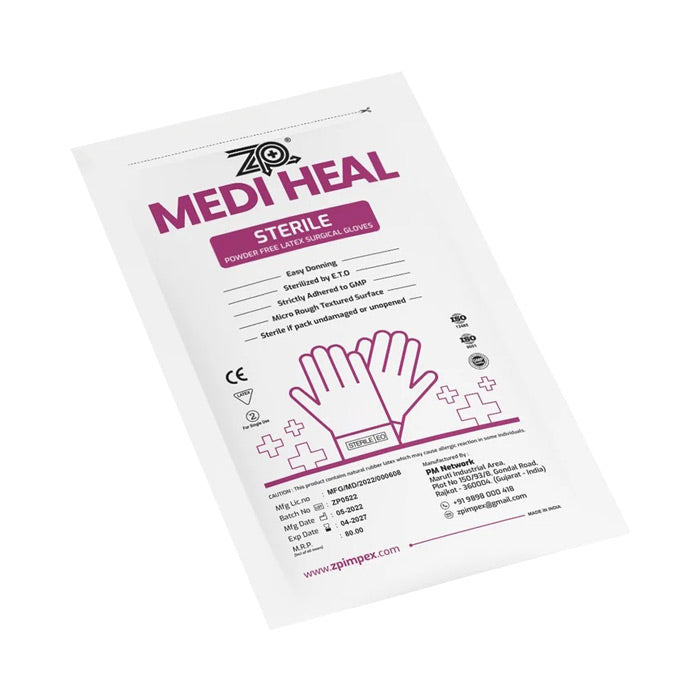
Powder Free Surgical Gloves Sterile (Pack of 10)
Surgical Gloves Explained: Types, Uses, and How to Choose the Right Pair
Surgical gloves are sterile, close-fitting hand coverings that protect patients and clinicians during surgical procedures where precision and infection control matter. They block contact with blood, body fluids, and microorganisms, and they let surgeons handle delicate surgical instruments with confidence. This guide covers the main types, everyday uses, key benefits, sizing, and buying tips, so you can tell surgical gloves apart from ordinary disposable ones.
What are surgical gloves used for in hospitals and clinics?
Healthcare professionals wear surgical gloves to create a sterile barrier between their hands and the patient, especially during surgery and other invasive surgical procedures. They lower the risk of contamination, protect against fluid exposure, and let clinicians handle surgical instruments, tissue, and dressings safely.
Although the name points to the operating room, many settings use them. Doctors, surgeons, nurses, and dental teams reach for sterile pairs during wound care, minor surgical procedures, catheter placement, and sterile examinations. In each case, the goal goes beyond clean hands: a controlled surgical barrier protects both sides of the interaction.

Common uses include:
- Major and minor surgery: Surgeons wear sterile pairs during incisions, suturing, and work with internal tissue.
- Sterile wound care: Clinicians dress and treat wounds that need a sterile surgical field.
- Invasive procedures: Catheters, drains, and certain injections often call for sterile surgical technique.
- Dental and oral surgery: They give barrier protection during surgical procedures that involve blood or open tissue.
- Labor and delivery care: Teams use sterile pairs during delivery and related examinations.
- Handling sterile surgical instruments: They prevent direct hand contact with sterile surgical tools.
In short, sterile pairs stop microorganisms on the hands from reaching the patient, and they limit the wearer’s exposure to infectious material.
What are two common types of surgical gloves?
Latex and nitrile are the two common types of surgical gloves. Elasticity, comfort, and tactile sensitivity define latex, while nitrile provides a synthetic, latex-free option with strong puncture resistance.
Latex surgical gloves
Manufacturers make latex surgical gloves from natural rubber. Operating rooms have relied on them for years because they stretch well, fit snugly, and deliver excellent touch sensitivity, which helps during delicate surgery.
The main concern is allergy. Some staff and patients react to latex proteins, and reactions range from skin irritation to serious allergic responses. For that reason, many facilities now stock latex-free options, particularly when a patient’s allergy status is unknown. Any facility that still uses latex needs clear policies for allergy screening, labeling, and alternatives.
Two kinds of reactions exist. Immediate allergy to latex proteins can cause hives, wheezing, or, in rare cases, anaphylaxis, while delayed contact dermatitis often comes from chemical accelerators used in manufacturing. Staff who notice itching, redness, or rashes after wearing latex should report their symptoms and switch to a latex-free option.
Nitrile surgical gloves
Nitrile comes from synthetic rubber. Users value its durability, puncture resistance, and chemical resistance, and teams choose sterile nitrile pairs when a surgical procedure needs barrier protection without latex exposure. Modern nitrile also fits and flexes far better than older, stiffer versions, although it may stretch slightly less than latex.
Not every nitrile product suits surgery, though. A surgical nitrile glove must be sterile and labeled for surgical use.
Other surgical glove materials
Manufacturers also make surgical gloves from polyisoprene and neoprene. Polyisoprene mimics the stretch and feel of latex without natural rubber proteins, while neoprene offers a flexible latex-free alternative. The right choice depends on the surgical procedure, user preference, allergy needs, and facility specifications.
Surgical gloves vs normal gloves: what is the difference?
Surgical gloves are sterile, procedure-specific, and shaped for precise medical work. Normal gloves are often non-sterile and suit general protection, cleaning, food handling, or basic examinations. They also come in individually packed pairs, with left and right hand shaping and a closer fit that supports fine control of needles, scalpels, and forceps.

The two types are not interchangeable. A normal disposable glove works well for routine cleaning, but it does not meet the needs of a sterile surgical procedure. Likewise, using sterile pairs for casual tasks wastes money. They also work alongside hand hygiene, gowns, masks, and sterile surgical technique rather than replacing them, because a pair that touches a non-sterile surface loses its protection.
| Feature | Surgical gloves | Normal disposable gloves |
|---|---|---|
| Sterility | Usually sterile and packed in pairs | Often non-sterile, packed in boxes |
| Fit | Shaped for left and right hands | Often ambidextrous |
| Primary use | Surgery and sterile procedures | Cleaning, basic exams, food handling |
| Precision | Designed for fine motor control | Varies widely by glove type |
| Selection criteria | Material, sterility, size, sensitivity, barrier performance | Material, size, durability, task suitability |
Key benefits of surgical gloves for patients and clinicians

They do more than cover the hands. Their value comes from sterility, fit, material performance, and their role in keeping the clinical environment controlled. Key benefits include:
- Barrier protection: A sterile pair blocks contact with blood, fluids, and microorganisms.
- Sterile surgical technique support: Sterile packaging and correct donning preserve the sterile surgical field.
- Improved precision: An anatomical fit supports grip, touch sensitivity, and fine hand movements.
- Patient protection: Sterile pairs reduce the transfer of organisms from the wearer’s hands to the patient.
- Worker protection: The barrier limits direct exposure to contaminants and biological material.
So what is the main purpose of surgical gloves? They provide a protective sterile barrier. Comfort and dexterity matter, yet reducing contamination and infection risk remains the central reason to wear them.
Which gloves are best for surgery?
The best surgical gloves are sterile, fit the wearer correctly, give reliable barrier protection, and match the facility’s rules for material, sensitivity, and allergy safety. Latex, nitrile, polyisoprene, or neoprene may all work, and no single option suits every surgery. A surgeon may prefer one material for feel, while a hospital may standardize another because of latex allergy.
When choosing surgical hand gloves, weigh these factors:
- Sterility: Choose sterile pairs whenever the procedure requires sterile surgical technique.
- Material: Latex offers elasticity, while nitrile and synthetics avoid latex exposure.
- Fit and sizing: Tight surgical pairs tire the hand, and loose ones reduce control.
- Tactile sensitivity: Delicate work needs pairs that let the wearer feel tissue and surgical instruments.
- Grip: Textured fingertips help with wet instruments.
- Procedure length: Long operations call for comfortable, low-sweat surgical pairs.
Specialty surgical procedures add further needs. Orthopedic surgery often calls for thicker pairs or double gloving because of sharp bone edges, while microsurgery and eye surgery favor thin surgical gloves with maximum fingertip sensitivity. Obstetric and urological teams may prefer extra cuff length or a textured grip for wet conditions. Always match the pair to the demands of the specific surgical procedure.
Which gloves do doctors use?
Doctors choose by task. Sterile surgical gloves suit operations and sterile surgical procedures, non-sterile examination gloves suit routine checkups, and utility gloves suit cleaning instruments or surfaces. A doctor performing a sterile wound procedure may use a sterile pair even outside the operating room. The key is task matching, based on risk, sterility needs, patient contact, and institutional protocols.
When sterile protection is not necessary
Not every task needs sterile protection. Routine blood pressure checks, non-invasive physical exams, and cleaning duties usually need only examination or utility gloves. Choosing the correct level of protection saves money and keeps sterile stock available for surgical procedures that truly need it.
What color gloves do surgeons use?
Surgeons choose white, cream, brown, blue, green, and other shades, depending on the manufacturer and the facility. No single color is universal. In double-gloving systems, a contrasting inner layer makes a puncture in the outer layer easier to spot. Still, color should rank below sterility, material, fit, and barrier performance when you buy.
Choosing the right surgical glove size: how fit changes performance
Fit strongly affects comfort and control. A surgical glove that is too small restricts movement and tires the hand during long surgical procedures, while one that is too large bunches at the fingertips and weakens grip. They come in numbered sizes rather than small, medium, and large, so users can match the fit more exactly.
A good fit feels secure without cutting off movement. Fingertips reach the ends without stretching, and the cuff stays over the gown sleeve. If you notice numbness, slipping, or fatigue, try another size or style.
To estimate your size, measure the circumference around the widest part of your palm, excluding the thumb. Many size charts treat that figure in inches as your size number, so a palm of seven inches usually suits a size seven. Because brands differ, confirm the manufacturer’s chart and try a half size up or down if the first pair feels wrong.
Fit checklist for surgical gloves
- The pair fits snugly but does not pinch.
- Fingertips align closely with your own.
- The palm does not sag or pull tight.
- The cuff stays secure during normal movement.
- You can feel fine details and keep a steady grip.
Sterile technique: how to use surgical gloves correctly
Surgical gloves work only when users handle them correctly. A sterile pair loses its protection the moment it touches a non-sterile surface or the outside of the packaging. Training teaches clinicians to don them without contaminating the outer surface, usually after surgical hand antisepsis and gowning. Follow these principles:
- Clean your hands first: Wearing a pair does not replace hand hygiene.
- Inspect the package: Skip torn, wet, or opened packs.
- Confirm size and material: The wrong choice creates discomfort and risk.
- Stay within the sterile surgical field: Avoid touching non-sterile surfaces once gloved.
- Change gloves when needed: Replace torn, punctured, or contaminated pairs immediately.
- Remove and discard safely: Avoid skin contact with the outer surface, then follow waste rules.
Open and closed surgical gloving techniques
Staff use two main donning methods. In closed gloving, the clinician slides the pair on through the gown cuff, which keeps the hands covered and protects the sterile surface during surgery. In open gloving, the clinician puts on a surgical pair without a gown, a method suited to minor surgical procedures and quick sterile tasks. Training and practice ensure that either method keeps the outside surface sterile.
Powder-free and double gloving: smart choices for safer surgical procedures
Powdered vs powder-free surgical gloves
Powder once made them easier to put on, especially latex ones, but it can cause irritation, contamination, and airborne particles. Powder-free surgical gloves use special coatings or processing to ease donning without those concerns, so many facilities now prefer them. Follow current facility policy and product requirements when you decide.
Single and double gloving
Single-gloving means one pair, and double-gloving means an inner and an outer pair. Surgical teams often double-glove when puncture risk is high, procedures run long, or sharp bone fragments are present. The inner layer adds a second barrier, and a colored inner layer makes a breach easy to see. Research suggests that wearing two pairs reduces the number of punctures that reach the skin, particularly in long or high-risk operations. The trade-off is reduced feel, so choose the right size and material combination to keep dexterity.
Surgical gloves price: how to compare cost and value
The cost of surgical gloves depends on material, sterility, packaging, brand, size range, thickness, and order quantity. A non-sterile disposable option is not comparable to a sterile pair, because manufacturing, packaging, and intended use differ. Price matters, but a cheap pair that tears, fits poorly, or triggers allergy creates bigger problems than it solves. Compare these points:
- Price per sterile pair: Compare pair to pair, not box to box.
- Material type: Latex, nitrile, neoprene, and polyisoprene vary in cost.
- Size range: A full range fits more users well.
- Waste rate: Poor-fitting or tearing pairs raise replacement costs.
- Allergy needs: Latex-free options may be necessary even when another material looks cheaper.
The best value is not always the lowest surgical gloves price. It is the option that fits the surgical procedure, performs consistently, and supports the wearer.
How to buy surgical gloves: a practical checklist
Buying surgical medical gloves is a clinical and operational decision. First clarify the use case: general surgery, dental surgery, outpatient surgical procedures, or emergency sterile care. Then decide whether latex is acceptable and how long surgical procedures run. These answers narrow your options before you compare brands. Review this checklist:
- Required sterility and packaging format
- Material preference or latex-free requirement
- Size range for all expected users
- Cuff length and gown compatibility
- Grip texture, thickness, and sensitivity
- Powder-free status
- Supplier consistency and total cost per usable pair
Never assume that every medical-looking product is a surgical glove. Check that the product description clearly states sterile surgical use.
Standards and quality checks to look for
Surgical gloves count as regulated medical devices, so quality markers matter. Look for compliance with recognized standards, such as ISO 10282 for sterile single-use rubber surgical gloves, ASTM D3577 for rubber surgical gloves, or EN 455 for medical gloves, along with any approvals your country requires. Manufacturers also state an acceptable quality level (AQL), which describes how many units in a batch may contain pinholes; a lower AQL means fewer defects, and surgical pairs commonly carry an AQL of 1.5. Check the sterilization method, expiry date, lot number, and any latex or powder labeling on the packaging before you buy.
Storing surgical gloves safely
Store surgical gloves in a cool, dry place away from direct sunlight, heat, and ozone sources such as electric motors, because these conditions can weaken the material. Keep packs sealed and flat, use older stock first, and respect the expiry date. Discard any pack that shows damage, moisture, or discoloration.
 Powder Free Surgical Gloves Sterile (Pack of 10)Rs. 349View product
 Powder Free Surgical Gloves Sterile (Pack of 25)Rs. 712View product
 Sterile Latex Surgical Gloves (Pack of 10)Rs. 435View product
 Nitrile Examination GlovesRs. 495View product
 Latex Examination Gloves Powdered (Box of 100)Rs. 367View product
 Surgicare Disposable Gloves (Pack of 20)Rs. 699View product
For more options, view the Meddey gloves collection.
Common mistakes to avoid when choosing surgical gloves
Many mistakes start with focusing on one feature. Choosing by material alone is a classic example, because a nitrile glove is not automatically surgical until it is sterile and labeled for surgery. Casual sizing hurts grip and control, and ignoring allergy risk can harm staff or patients. Other avoidable mistakes include:
- Using non-sterile gloves for sterile surgical procedures
- Reusing disposable pairs
- Wearing a pair after visible damage or contamination
- Touching non-sterile surfaces and continuing as if sterile
- Buying on price alone
- Storing stock in heat, moisture, or strong light
Why the right surgical gloves build trust and reduce waste

Patients notice visible hygiene. Seeing clinicians use proper surgical gloves, masks, gowns, and sterile supplies reinforces confidence in the care environment. For healthcare workers, a pair that fits well and performs reliably frees them to focus on the patient instead of slipping, tearing, or irritation.
Responsible use also matters. Teams should reserve sterile pairs for surgical procedures that require them, use examination gloves when sterility is unnecessary, and avoid needless changes when policy allows. Better sizing reduces waste from torn or ill-fitting pairs, but clinical suitability always comes before sustainability claims.
Facilities can also support staff by offering several brands and sizes for trials, collecting feedback after surgical procedures, and training new team members in correct donning. These small steps improve comfort, reduce waste, and help every sterile surgical procedure start with confidence.
Frequently Asked Questions
1. What is the main purpose of surgical gloves?
Their main purpose is to provide a sterile protective barrier that reduces contamination and exposure during medical and surgical procedures. They protect the patient from organisms on the wearer’s hands and protect the wearer from blood and body fluids.
2. What are surgical gloves used for?
Clinicians use them for surgery, sterile wound care, invasive procedures, dental surgery, labor and delivery care, and other tasks that require sterile surgical technique.
3. What are two common types of surgical gloves?
Latex and nitrile are two common types of surgical gloves. Manufacturers also make synthetic surgical options such as neoprene and polyisoprene, mainly as latex-free choices.
4. Which gloves are best for surgery?
The best choices are sterile pairs that fit well, match the surgical procedure, give reliable barrier protection, and account for latex allergy needs. The final choice depends on clinical policy and user preference.
5. Which gloves do doctors use?
Doctors use sterile pairs for surgery and sterile procedures, and non-sterile examination gloves for many routine tasks such as basic checkups.
6. What color gloves do surgeons use?
Surgeons may choose white, cream, brown, blue, green, or other colors depending on the product and facility. Color matters less than sterility, fit, and material, although a contrasting inner layer can make a puncture easier to see when double-gloving.
7. What is the difference between surgical gloves and normal gloves?
Surgical gloves are sterile, shaped for left and right hands, and made for precise medical work. Normal gloves are often non-sterile and suit general tasks such as cleaning, food handling, or basic examination.
8. Are powder-free surgical gloves better?
Many facilities prefer powder-free options because powder can cause irritation and contamination concerns. The final decision should follow your facility’s policy and the product requirements.
9. Can you reuse surgical gloves?
No. Manufacturers make disposable surgical gloves for single use. Once a pair tears, punctures, or becomes contaminated, replace it and discard it according to waste procedures.
10. How should I compare surgical gloves price?
Compare the price per sterile pair rather than per box, and check the material, size range, powder-free status, and packaging. The lowest price is not always the best value if the pair fits poorly or tears easily.