


Treating Bedsores
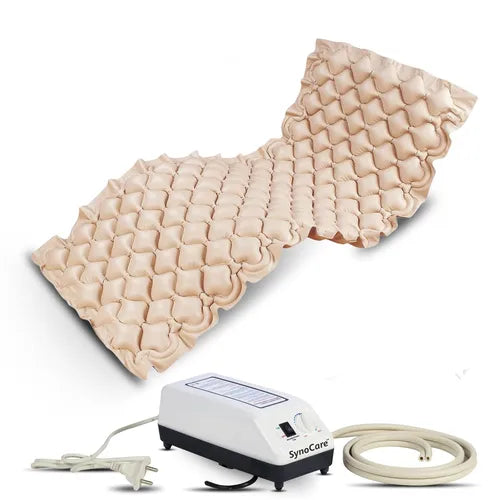

Anti Bedsore Bubble Air Mattress Portable - ROHS Compliant


Anti-Bedsore Bubble Air Mattress Portable - ROHS Compliant
Caring for a pressure sore from first sign to healing
Treating bedsores begins with a doctor or nurse, who checks the damaged skin and decides the care. A bedsore, also called a pressure sore, forms when constant pressure harms the skin over a bony area. The earlier a sore is found, the easier it is to treat.
Family care means easing pressure on the area, keeping the skin clean and dry and calling the doctor early. This guide explains the stages, the urgent signs and what families can safely do. It does not replace the advice of a doctor or nurse.
What is a bedsore, and why is early treatment important?
A bedsore is damage to the skin and the tissue under it. It forms when pressure cuts off the blood supply to a patch of skin for too long. The skin then breaks down, starting with a red mark and sometimes ending as a deep wound.
Treating bedsores early matters because the damage can deepen quickly. A red patch is easy to care for. A deep wound can take a long time to heal and can lead to serious infection.
Bedsores are not caused by poor cleaning or neglect alone. They can occur even in good homes, if a person cannot move freely. Early checks and quick action make the biggest difference.
The four stages of a bedsore
Health bodies describe a bedsore in four stages. The stages show how deep the damage goes. Doctors and nurses use them to plan care.

| Stage | What it looks like |
|---|---|
| Stage 1 | Red or discoloured skin that is still whole |
| Stage 2 | A blister or a shallow open sore |
| Stage 3 | A deeper wound that reaches below the skin |
| Stage 4 | Damage that reaches muscle or bone |
Only a doctor or nurse can name the stage. Do not try to judge it alone. The stage guides the plan for treating bedsores.
Stage 1: red skin that is not broken
At stage 1, the skin has not broken. It may look red on lighter skin, or darker, purple or blue on deeper skin tones. The area may feel warm, firm or sore.
A key sign is a patch that does not change colour when pressed lightly. Normal skin turns pale when pressed and turns back when released. A patch that stays red or dark is a warning.
This is the best time for treating bedsores, because the skin is still whole. Take pressure off the area at once. Tell the doctor or nurse the same day.
Stage 2: a blister or shallow open sore
At stage 2, the top layer of skin has been lost. It may look like a blister or a shallow, open sore. The base is usually pink or red and moist.
This stage is painful. Germs can enter through the open skin. So a doctor or nurse should see the person soon.
Do not burst a blister. Do not rub or massage the area. Keep pressure off and ask a professional how to protect it.
Stage 3: a deeper wound
At stage 3, the damage goes deeper than the skin. The wound looks like a crater. Fatty tissue below may be visible.
This type of wound needs prompt medical care. It can become infected easily. It also heals slowly.
A nurse or doctor will plan the care, often with special dressings and a pressure-relief plan. Families should not try to manage this alone. Follow the medical team's instructions closely.
Stage 4: damage that reaches muscle or bone
At stage 4, the wound is very deep. Muscle, tendon or bone may be exposed. The risk of serious infection is high.
This is a medical emergency in many cases. The person needs urgent care from a doctor or hospital. Treatment may be long and involve a team.
Do not delay a visit if you see a wound that looks this deep. Early hospital care can prevent worse harm. Treating bedsores at this stage is for professionals.
Who is at risk of bedsores?
Anyone who cannot move easily is at risk. People who spend long hours in a bed or chair are most likely to be affected. Certain health conditions raise the risk.
-
Older age and fragile skin.
-
Illness or injury that limits movement.
-
Paralysis or weakness, for example after a stroke.
-
Poor food and low fluid intake.
-
Diabetes or poor blood flow.
-
Skin that stays wet from sweat or incontinence.
-
Reduced feeling, so pain goes unnoticed.
Having these factors does not mean a sore will form. But daily skin checks matter for these people. Tell the doctor about any risks.
Where do bedsores usually appear?
They form where bone lies close to the skin and pressure builds up. The exact spot depends on the position the person spends the most time in.
-
Tailbone and lower back.
-
Hips.
-
Heels and ankles.
-
Elbows and shoulder blades.
-
Back of the head.
A person lying on the side may develop sores at the hip or ear. A person sitting in a chair often gets them at the tailbone or under the thighs. Check all these areas often.
How can I spot an early bedsore?
Daily checks are the best way to catch a problem. Choose a calm time, such as bath time. Look at the whole body, especially the areas listed above.
-
A red, dark or discoloured patch that stays after pressing.
-
Skin that feels warm, hard or spongy.
-
A tender or painful spot.
-
A blister or break in the skin.
-
Swelling.
If you see any of these, take pressure off the spot and call the doctor or nurse. Do not wait for it to get worse. Early care is the key to treating bedsores well.
Can a bedsore be treated at home?
Families play a vital part, but a doctor or nurse should assess every sore. They decide the stage, the plan and what you can safely do. Treating bedsores at home without guidance can cause harm.
What families can do is simple. Ease pressure on the area. Keep the skin clean and dry. Do not rub or massage the area, and call the doctor early.
This guide does not give a home wound-care routine. Wound care needs training. Ask the nurse to show you what is safe for your situation.
What families can safely do every day
Daily habits protect fragile skin. They support the care plan that the doctor sets. They do not replace it.

-
Check the skin every day, including heels and the tailbone.
-
Keep the skin clean and dry, and pat gently instead of rubbing.
-
Help the person change position as the care team advises.
-
Keep sheets smooth and free of crumbs and creases.
-
Offer food and drink as the doctor or dietitian advises.
-
Report any change in the skin right away.
Never massage red or sore areas. Massage can damage fragile tissue. Gentle care and early reporting are best.
When should I see a doctor about a bedsore?
See a doctor or nurse as soon as you notice any damaged area, whatever the stage. Do not wait to see if it goes away. Skin that does not return to normal colour after pressure needs attention.
-
Any open sore, blister or broken skin.
-
A red patch that does not fade.
-
A sore that is not improving.
-
Any wound that becomes larger or deeper.
-
New pain in the area.
-
Any of the urgent signs listed below.
Call at once for urgent signs. A prompt visit makes treating bedsores simpler and safer.
Which signs of a bedsore infection need urgent care?
Infection can spread fast in a weak person. Know the signs and act quickly. Call a doctor or go to the hospital if you notice any of them.
-
Heat around the sore.
-
Swelling.
-
Pus or a cloudy fluid.
-
A bad smell.
-
Redness that spreads.
-
Fever or chills.
Do not wait if these signs appear. An infected sore can lead to blood poisoning. Speed matters.
Do ointments and creams help bedsores heal?
Ointments and creams are used only as a doctor or nurse prescribes. This guide names no product. Each sore is different, and the wrong product can do harm.
They do not heal a sore by themselves. Pressure relief, clean skin and good food remain the foundation. A medicine that suits one stage may be wrong for another.
Do not apply home remedies, oils, turmeric paste or powders on a sore. They can irritate the skin or cause infection. Always ask the nurse first.
How do dressings help a bedsore heal?
A dressing is a covering placed over a wound. It protects the area, keeps it clean and may help the body heal. The type depends on the stage and the wound.
Dressings are chosen and changed by trained staff. Wrong dressing or poor changes can slow healing. This guide does not describe techniques.
If a dressing comes loose, gets wet or smells, call the nurse. Do not remove it yourself unless trained to do so. Ask for a clear demonstration if the doctor expects you to help.
Why does changing position matter for bedsores?
Pressure is the main cause of this damage. Changing position moves the pressure from one area to another. This lets the blood return to the skin.

It is a core part of treating bedsores and of protecting healthy skin. The care team sets the plan for each person. This guide gives no turning schedule, as it depends on the person.
When you help someone move, lift rather than drag. Dragging can scrape the skin. Use a smooth sheet and ask for help from another family member or a nurse.
Can an air mattress help with bedsores?
A pressure-relieving mattress, such as a bubble air mattress with a pump, can support care. It spreads body weight over a larger area and helps ease pressure. A doctor or nurse can say if one suits the person.

But a mattress does not prevent or cure bedsores. It cannot replace daily skin checks or changes of position. Use it as one part of the plan.
Follow the maker's instructions for set up. Check that the pump works and the cover is smooth. Keep checking the skin every day.

Skin care basics for bedsores
Fragile skin needs gentle handling. Clean skin that is also dry is less likely to break down. Small habits matter.

-
Use warm water and mild soap, as the nurse advises.
-
Pat dry, never rub.
-
Change soiled clothes and sheets quickly.
-
Choose soft, loose cotton clothing.
-
Avoid tight bands or folds that press on the skin.
-
Ask the nurse about moisture care if skin stays damp.
Do not use hot water. Do not scrub the area. Report any change in colour or feel.
Food and fluids for bedsore healing
Healing needs energy and nutrients. A person who eats and drinks poorly may heal slowly. Good food supports the body.
A dietitian or doctor can plan the right foods. They may suggest protein-rich foods and enough fluids. Follow their advice, especially if the person has diabetes or kidney problems.
Do not give supplements without advice. This guide names no dose. Keep mealtimes calm and help the person eat safely.
Bedsore care in older adults
Older adults have thinner, drier skin that breaks more easily. They may also move less and feel less pain. So sores can form without warning.
Check an older family member's skin daily. Keep the skin clean, dry and moisturised as the nurse advises. Help them change position and walk if the doctor allows.
Report any change quickly. Older adults can become unwell fast when a sore gets infected. Early care is the safest approach.
Bedsores in people with diabetes or poor blood flow
Diabetes and poor blood flow slow healing. Sores in these people can worsen fast. Feeling in the feet and legs may also be reduced.
Check the feet, heels and ankles every day. Tell the doctor about any red patch, blister or cut. Do not wait.
Keep blood sugar under control as the doctor advises. Wear soft, well-fitting footwear. Seek help quickly at any sign of infection.
Bedsores after a stroke or paralysis
A person with weakness or paralysis cannot easily shift position. Feeling may also be reduced. So pressure can build up without notice.
The care team will teach the family how to move the person safely. Follow their guidance exactly. Keep the skin dry and check it daily.
Mobility aids, wheelchair cushions and pressure-relieving surfaces may be suggested. Ask the care team which suit the person. Never choose them on your own.
Care for someone who uses a wheelchair
Sitting puts pressure on the tailbone and the thighs. A person may need to shift weight often. A cushion chosen with a therapist may help.
Encourage the person to change position as advised. If they cannot, a helper should do so. Check the skin after each long sitting.
Make sure the chair fits well. A poor fit can press on the skin. A therapist can check this.
Pain and comfort during treatment
These sores can be painful. Some people feel little pain if their sense of feeling is low. Either way, comfort is part of care.
Tell the doctor or nurse about pain. They can advise on safe pain relief. This guide names no medicine.
Use soft bedding and gentle handling. Move the person slowly and explain each step. A calm voice reduces fear.
Emotional support during recovery
A long-lasting sore can be hard to bear. The person may feel low, embarrassed or frustrated. Family may feel guilty or tired.
Talk openly and kindly. Remind everyone that this problem is common and not anyone's fault. Share tasks among family members.
If sadness or stress is heavy, tell the doctor. Support is available for the person and the carers. Looking after feelings helps the whole care plan.
Mistakes to avoid when treating bedsores
Well-meant actions can cause harm. Review this list with your family.
-
Rubbing or massaging a red area.
-
Using home remedies, powders or oils on a sore.
-
Waiting to see if a sore will go away.
-
Dragging the person across the bed.
-
Using a ring cushion that presses around the sore.
-
Relying only on a mattress and skipping skin checks.
-
Removing dressings without training.
Always ask the care team if you are unsure. A short call can prevent a big problem.
Common myths about bedsores
Myths can delay care. Here are some, with plain facts.
-
Myth: Sores only happen from dirty care. Fact: Pressure is the cause, even in clean homes.
-
Myth: Massage helps the blood flow. Fact: Massaging a red area can damage the skin.
-
Myth: A special mattress cures a sore. Fact: It supports care but does not cure or prevent bedsores.
-
Myth: A small sore can be ignored. Fact: Small sores can deepen quickly.
-
Myth: Creams alone heal a sore. Fact: Pressure relief and medical care come first.
How doctors and nurses treat a sore at each stage
The plan for treating bedsores depends on the stage. A doctor or nurse looks at the size, the depth and the look of the wound. They then choose how to treat it and how often to review it.
At an early stage, the main step is to take pressure off the area. At later stages, the team may add dressings and other care. They may also check for infection and nutrition.
This guide does not describe the methods, because they need training. Ask the team to explain the plan in simple words. Treating bedsores works best when the family and the team share the same plan.
Who is part of the care team?
Several people may take part in treating bedsores. Each has a role. A family doctor or nurse is often the first contact.
| Professional | Role |
|---|---|
| Family doctor | Checks the sore and plans care |
| Nurse | Cleans, dresses and reviews the sore |
| Wound care nurse | Gives expert advice on difficult sores |
| Dietitian | Plans food and fluids to support healing |
| Physiotherapist | Advises on safe movement and positioning |
| Occupational therapist | Advises on seating and daily tasks |
Ask who leads the care. Keep their phone numbers near your phone. Clear contacts make treating bedsores smoother.
What checks do doctors and nurses do?
When a sore appears, the team starts with a full check. They ask about health, medicines, food, movement and continence. They examine the whole body for other sores.
The size and depth of the wound are measured, and the colour of the surrounding area is noted. Heat, swelling, smell or discharge are checked. A photo may be taken to track change.
The team may also look at blood sugar, nutrition and blood flow. These checks guide how they treat the sore. Share any past records you have.
How a wound care nurse can help
A wound care nurse is a nurse with special training in wounds. They are often called when a sore is deep, slow to heal or infected. Their advice can change how the sore is treated.
The right dressing is chosen for the sore, and family members are taught what is safe to do. Advice on pressure relief and skin protection follows. A schedule for review is set.
Ask your doctor or hospital if a wound care nurse is available. Their help can make treating bedsores safer. Follow their instructions closely.
How an infected sore is treated
If a wound becomes infected, the team must act fast. Signs include heat, swelling, pus, a bad smell, spreading redness and fever. Call the doctor at once.
The doctor may take a sample from the wound and may prescribe medicine if needed. They may also clean the wound in a clinic or ward. In serious cases, the person may need a hospital stay.
Do not treat an infected wound with home remedies. Do not delay a visit. Quick, proper treatment helps prevent the infection from spreading to the blood.
How long does a bedsore take to heal?
The time varies a lot. A stage 1 patch may improve once pressure is gone. Deep wounds can take a long time to heal.
This guide gives no fixed time, because it depends on the stage, the person's health and the quality of care. Nutrition, blood sugar and movement also matter. The team will review progress at each visit.
Healing may be slow and uneven. A sore can look worse before it looks better. Do not lose hope, and keep following the plan.
When is a hospital stay needed?
Most early sores can be treated with community care. But some need a hospital. The doctor decides, based on the sore and the person's health.
-
Deep wounds that reach muscle or bone.
-
Signs of serious infection.
-
High fever or confusion.
-
A person who cannot be cared for safely at home.
-
A sore that is not improving despite proper care.
In hospital, the team can give round-the-clock care, special beds and detailed monitoring. Treating bedsores in this setting often brings quicker control.
Questions to ask the care team
Write your questions before you meet the team. Take notes during the talk. Bring a family member if you can.
-
What stage is the sore?
-
How will you treat it?
-
What can the family do, and what should we not do?
-
How often should the sore be reviewed?
-
Which signs mean I should call you at once?
-
Do we need any special bed, mattress or cushion?
-
Does the person need a change in food or medicines?
Ask the team to repeat anything you do not understand. Clear answers make treating bedsores safer at home.
Keeping a care diary during treatment
A short diary helps everyone follow progress. It also helps the doctor see patterns. Write one or two lines each day.
Note the date, the look of the area and any change in pain, smell or colour. Record the positions used and the food and fluids taken. Note who gave care.
Share the diary at each visit. A clear record shows what works. It also helps new carers understand the plan.
Setting up the room for care
A well-set room supports treating bedsores. Keep the bed, the sheets and the space clean and tidy. Good light helps you check the body.
Use smooth, dry sheets with no creases. Keep the room at a comfortable temperature, so the person does not sweat too much. Keep supplies within reach.
Make sure there is space for two people to help with movement. Keep the floor clear of clutter. A safe room helps carers work calmly.
Pillows and positioning aids the care team may advise
Pillows, foam wedges and cushions can help take pressure off an area. They must be used as the care team advises. A wrong position can press somewhere else.
Ask the nurse or therapist to show you how to place them. They can also tell you which areas need extra care, such as the heels. Do not stack too many pillows.
Check the skin after you position the person. Make sure nothing presses or bunches under them. Treating bedsores is easier when positioning is correct.
Keeping the skin dry if urine or stool leaks
Wet skin breaks down more easily. If the person cannot control the bladder or bowel, extra care is needed. Change soiled clothes and sheets quickly.
Pat the area dry gently after cleaning. Ask the nurse about suitable products and routines. Avoid harsh scrubbing or hot water.
Report any rash, redness or soreness. Moisture-related damage can make the damage worse. Good habits help treating bedsores succeed.
Protecting the heels and ankles
The heels are a common site for sores, since little tissue lies between bone and bed. Pressure builds up when the legs lie flat for long. The person may not feel the damage.
Ask the nurse how to take pressure off the heels safely. Do not place hard objects under the legs. Avoid bunched blankets or tight footwear.
Check the heels every day. Tell the nurse about any red or dark patch. Early action is a big part of treating bedsores.
Signs that a sore is healing
Progress can be slow, so it helps to know what to look for. These signs are encouraging. Share them with the team.
-
The red patch becomes smaller or lighter.
-
The wound edges look cleaner and shrink.
-
Pain eases.
-
There is less fluid.
-
The area stays free of heat and smell.
Healing does not move in a straight line. Keep following the plan. Tell the team about any step back.
Signs that a sore is not improving
Some wounds do not improve despite care. The team needs to know quickly. They may change the plan.
-
The wound grows larger or deeper.
-
Pain increases.
-
New redness, heat or swelling appears.
-
A bad smell or pus develops.
-
The person has fever or feels very unwell.
Call the doctor or nurse at once. Do not wait for the next visit. Quick changes help treating bedsores stay on track.
Preparing the family to help with care
Family members are partners in care. They need clear training and support. Ask the nurse to teach you safe ways to help.
Practise moving the person with the nurse watching. Learn how to check the body and what to report. Keep a list of contact numbers.
Share the tasks among family members so no one gets worn out. Take breaks and ask for help. A rested family treats the person with more patience.
Looking after yourself while treating a sore
Caring for a person with a sore is demanding. You may feel tired, anxious or guilty. These feelings are normal.
Sleep when you can and eat well. Ask relatives to take turns. Speak to the doctor if you feel overwhelmed.
Your health matters, too. A well carer can treat the person with kindness and attention. Support makes the work lighter.
What happens once the bedsore has healed?
When the wound has healed, the area may look different. The skin may be thin, pink or scarred. It stays fragile for some time.
Keep checking the area every day. Continue changing position and protecting the skin as the team advises. Do not return to old habits.
A healed area can break down again. Ask the care team for a long-term plan. Regular review keeps the person safe after treating bedsores.
More questions about bedsores
Who can treat a bedsore? A doctor or nurse should assess and treat it. Family members help with pressure relief, cleanliness and reporting.
Is treating bedsores painful? Some steps may cause discomfort. Tell the team about pain. They can adjust the care to keep the person comfortable.
Can the problem come back? Yes, if pressure returns. Keep checking the skin and follow the care plan.
Who should treat a bedsore, and who should not
A bedsore should be treated by a trained doctor or nurse. They know how to judge the depth and choose the right plan. Family members help, but they should not treat deep or open wounds alone.
Folk healers, home remedies and unverified products can do harm. Pastes, powders and oils may trap germs or irritate the tissue. A trained team treats every stage safely and with proven methods.
If a bedsore is not being treated properly, ask for a second opinion. You have the right to clear answers. Treating bedsores well is a team effort.
How are sores treated while the skin is still whole?
When the surface is still whole, treating bedsores is mostly about relief from pressure. The area is protected and watched. A nurse may check it each time they visit.
If the pressure is removed in time, the red patch may fade. The team will treat the cause, not only the mark. They will look at the bed, the chair and the habits that led to it.
This is the best moment to treat a problem. Act the same day you see it. Do not wait to see if it goes away alone.
How open sores are treated
When the surface has opened, the nurse treats the sore with more care. Trained staff clean the area and cover it in a way that suits the wound. The method varies.
The team will also treat the cause by changing the pressure on that area. They will keep an eye out for infection. They may suggest changes to food and fluids.
Each visit, they review how the sore is responding. If it is not improving, they change the plan. Family members help by reporting what they see between visits.
How is a deep sore treated?
A deep wound is treated by a specialist team. The plan can include careful wound care, special mattresses and close watch for infection. Pain relief and nutrition are part of the plan.
In some cases, the doctors may discuss further procedures. This guide does not cover them. Ask the team to explain the aims, risks and what to expect.
A deep wound needs patience. Treating bedsores at this stage can take a long time. Steady teamwork between family and professionals makes a difference.
Good bedsore care is a team effort
No single person can treat a wound alone. The doctor, nurse, dietitian, therapist and family each have a part. When everyone follows the same plan, the sore has the best chance to improve.
Keep clear notes and share them with the team. Ask questions without fear. Report any change quickly.
When a plan stops working, the team can change it. Treating bedsores is rarely a straight path, but steady effort helps.
Bedsore care at a glance
| Question | Short answer |
|---|---|
| What is a bedsore? | Skin damage from constant pressure |
| How many stages? | Four, from red skin to damage reaching muscle or bone |
| Where do they appear? | Heels, hips, elbows, tailbone |
| Who treats them? | A doctor or nurse |
| What can families do? | Ease pressure, keep skin clean and dry, report early |
| Urgent signs? | Heat, swelling, pus, smell, spreading redness, fever |
A quick checklist for your family
Keep this list handy for daily use.
-
Skin is checked every day.
-
Pressure is eased on red or sore areas.
-
The person changes position as the care team advises.
-
Skin is kept clean and dry.
-
No rubbing or massage on red skin.
-
Food and fluids follow the doctor's advice.
-
The doctor or nurse is called early for any new sore.
-
Everyone knows the urgent signs.
Consistent habits protect fragile skin. Early action makes treating bedsores much easier.
Words to know about bedsores
Here are some common terms.
| Word | What it means |
|---|---|
| Bedsore | Skin damage from lasting pressure, also called a pressure sore |
| Pressure relief | Taking weight off an area of skin |
| Dressing | A covering placed over a wound |
| Infection | Harmful germs growing in a wound |
| Dietitian | A specialist in food and nutrition |
| Stage | The depth of the damage |
What do people often ask about bedsores?
Can a sore heal on its own? Early red skin may improve when pressure is removed. Open sores need medical care. Ask a doctor or nurse.
Should I put cream on a sore? Use creams only if a doctor or nurse prescribes them. Do not apply home remedies.
How can I help a loved one at home? Ease pressure, keep the skin clean and dry and check daily. Call the doctor early.